The Science of a Healthy Coat: Advanced Grooming for Skin & Fur Wellness
Learn advanced grooming techniques to identify and address common skin and coat issues, promoting long-term pet wellness in Hong Kong.
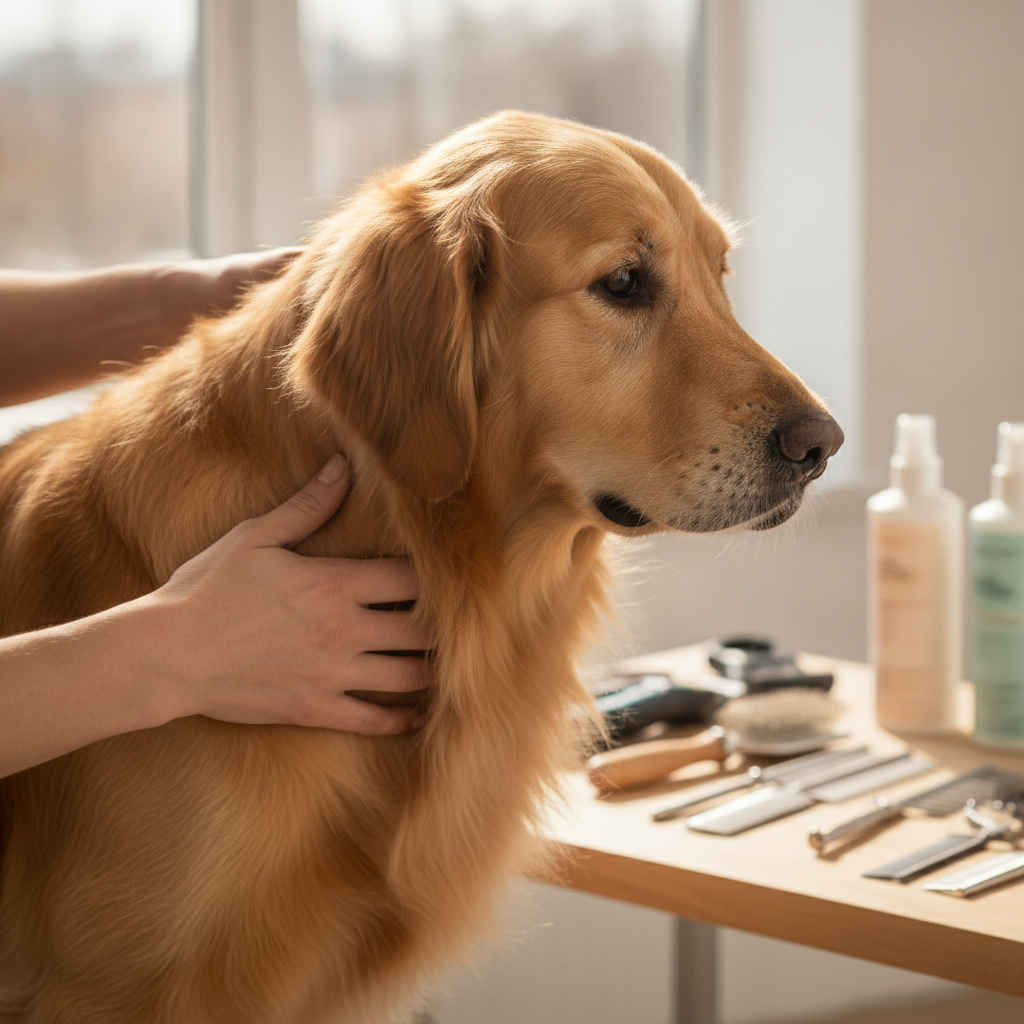
The Science of a Healthy Coat: Advanced Grooming for Skin & Fur Wellness
In Hong Kong's humid climate, maintaining optimal skin and coat health for pets presents unique challenges. Beyond aesthetic trims and tidy finishes, professional groomers play a critical role as frontline observers and caregivers, impacting a pet's overall well-being. A truly healthy coat reflects a healthy pet, and understanding the science behind skin and fur wellness can elevate your grooming practice from routine maintenance to preventative care.
Understanding Skin and Coat Anatomy
A pet's skin is its largest organ, acting as a protective barrier. The coat, comprising various hair types, further shields against environmental factors. Common issues like dermatitis, allergies, fungal infections (exacerbated by humidity), and severe matting can compromise this defense. As groomers, recognizing early signs – redness, flaking, excessive scratching, or unusual odors – is paramount.
Advanced Bathing & Product Selection
The bathing process is more than just getting a pet clean; it's an opportunity for therapeutic treatment.
- pH-Balanced & Hypoallergenic Shampoos: Always opt for professional-grade, pH-balanced products specifically formulated for pets. For sensitive skin, hypoallergenic or oatmeal-based shampoos can soothe irritation without stripping natural oils.
- Medicated vs. Moisturizing: Be discerning. Medicated shampoos require specific contact times and are best used under veterinary guidance for active infections. Moisturizing conditioners, rich in emollients, can restore hydration and improve coat elasticity.
- Proper Dilution & Application: Correct dilution ensures product efficacy and prevents residue. Apply thoroughly, massaging gently to reach the skin.
- Thorough Rinsing: This is critical. Shampoo or conditioner residue can irritate the skin, lead to dryness, or attract dirt, exacerbating skin conditions. Rinse until the water runs completely clear and the coat feels squeaky clean, not slick.
Mastering Effective Drying Techniques
In Hong Kong's humidity, incomplete drying is a major contributor to fungal and bacterial skin infections.
- High-Velocity Dryers: Essential for removing excess water quickly and lifting the coat, allowing air to circulate down to the skin.
- Cage Dryers with Caution: If used, ensure proper ventilation, monitor temperature closely, and never leave a pet unattended. Prioritize hand-drying with high-velocity dryers for maximum skin inspection and thoroughness.
- Ensuring Complete Dryness: Pay meticulous attention to dense areas like armpits, groin, and paw pads. Even slightly damp spots can become breeding grounds for microbes.
- Avoiding Heat Damage: Always use appropriate heat settings to prevent drying out the skin and damaging the hair shaft.
Brushing & Dematting with Care
Brushing is a diagnostic tool as much as a grooming one.
- Tool Selection: Use the right brush (pin brush, slicker, comb) for the specific coat type.
- Gentle Technique: Brush in layers, down to the skin, to prevent pulling and irritation. Never yank on tangles.
- Preventative vs. Corrective: Regular brushing prevents matting. When faced with mats, prioritize humane dematting techniques or professional shaving if severe, always explaining the necessity to the client. Mats can hide skin infections, parasites, or hot spots.
Client Education: Extending Care Beyond the Salon
Your expertise extends to educating pet owners. Advise on:
- Home Brushing Regimen: Recommend appropriate brushes and frequency.
- Diet & Supplements: While not nutritionists, you can mention the role of quality diet and omega fatty acids in coat health.
- Recognizing Issues: Teach owners what signs to look for and when to seek veterinary attention.
#Pet Skin Health #Coat Care #Grooming Techniques #Hong Kong Grooming #Pet Wellness
Run your grooming shop on PettoBook — 14-day free Pro trial, no card