The Grooming Environment: Designing for Canine Comfort and Cooperation
Learn how to create a calming grooming salon environment that reduces stress and encourages cooperative behaviour in dogs, benefiting pets and professionals.
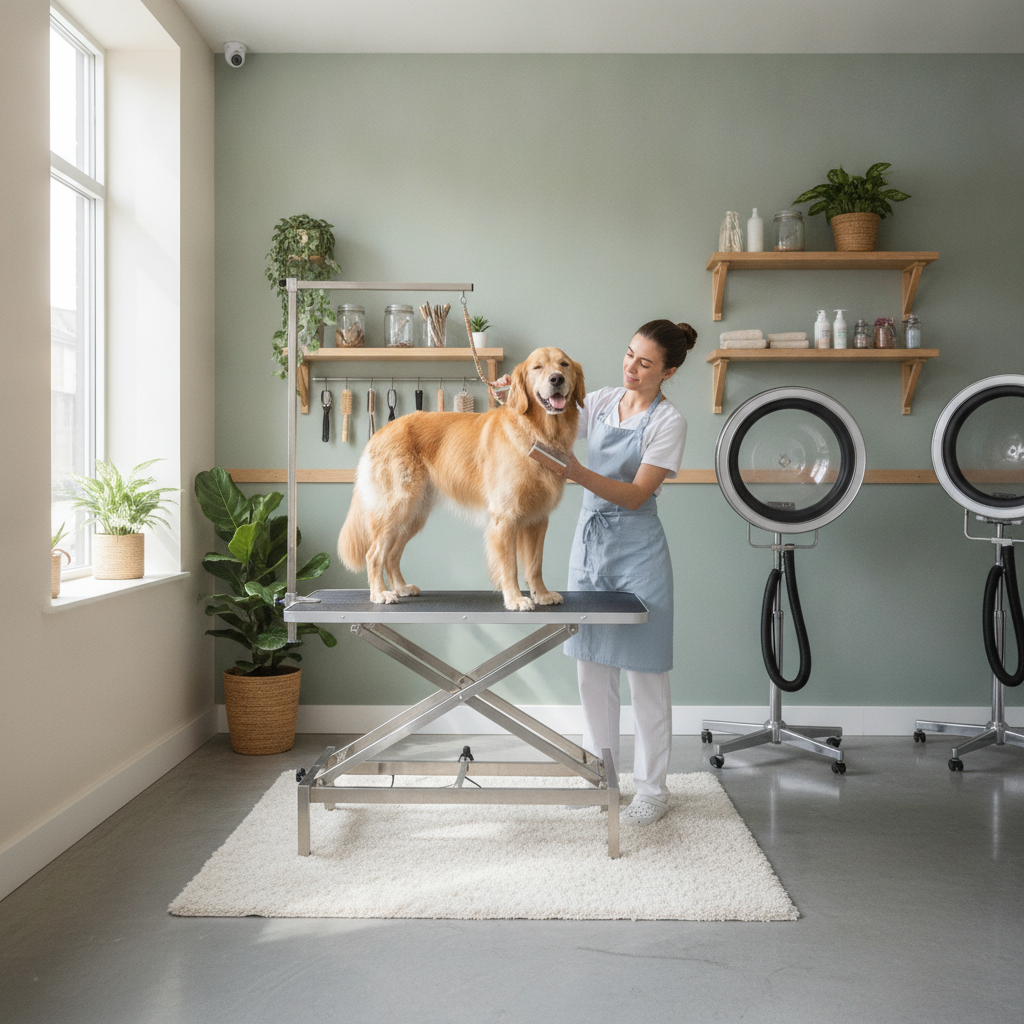
The Grooming Environment: Designing for Canine Comfort and Cooperation
In the bustling environment of a Hong Kong pet grooming salon, a dog's comfort can significantly impact its behaviour and the overall grooming experience. While skilled handling and technique are paramount, the physical and sensory environment of your salon plays an equally crucial, yet often overlooked, role in fostering cooperation and reducing stress. By intentionally designing your space, you can transform a potentially anxious experience into a calm, positive interaction for every canine client.
Understanding Canine Sensory Perception
Sound Sensitivity: Minimizing Noise Pollution
Dogs possess a far more acute sense of hearing than humans, making the typical salon cacophony – dryers, clippers, barking – potentially overwhelming. Proactively manage noise by investing in quieter professional-grade equipment, and consider sound-dampening panels or soft furnishings to absorb echoes. Strategically schedule appointments to minimize peak noise levels, perhaps grouping quieter breeds together. Gentle, classical music or white noise can also help mask jarring sounds and create a more soothing atmosphere.
Scent and Sight: A Calming Visual and Olfactory Space
A dog’s sense of smell is their primary way of interpreting the world. Overpowering chemical scents or lingering odours from previous pets can be highly stressful. Prioritise meticulous cleanliness using pet-safe, low-odour products. Avoid strong air fresheners. Instead, subtle, natural calming scents like lavender or chamomile, diffused sparingly, might be considered, though always with caution for individual pet sensitivities. Visually, a decluttered, consistently tidy space with soft, natural lighting and muted colour palettes (blues, greens, greys) can reduce visual overstimulation, conveying a sense of calm and professionalism.
Structured Spaces for Stress Reduction
Designated Waiting Areas
The waiting area sets the tone. Ideally, design it to allow for separation between different dogs or between dogs and cats, preventing potential conflicts or anxiety. Comfortable, non-slip flooring and clearly defined personal spaces can help dogs feel more secure. Keep it clean and free from strong lingering smells, ensuring a fresh start to their visit.
The Grooming Station Itself
Once on the table, the grooming station should be a safe haven. Ensure grooming tables have non-slip surfaces to prevent slips and falls, which can be terrifying for a dog. Use secure, comfortable restraints that allow for movement without escape, prioritising safety over rigid immobility. Good, consistent lighting is essential for precision work, but avoid harsh, flickering lights. A clean, uncluttered workstation allows the groomer to focus and the dog to feel less overwhelmed.
The Human Element: Calmness Begets Calmness
Finally, remember that your demeanor is a powerful environmental factor. A calm, confident, and gentle groomer radiates reassurance. Use soothing voices, deliberate movements, and positive reinforcement throughout the process. Educate owners on how their calm energy before and during drop-off can positively influence their pet's behaviour, reinforcing the salon's commitment to a stress-free experience.
Conclusion
By thoughtfully designing your grooming environment, you're not just creating a pleasant aesthetic; you're actively investing in the psychological well-being of your canine clients. This proactive approach leads to happier pets, more cooperative grooming sessions, stronger client loyalty, and ultimately, a thriving, reputable salon in Hong Kong's competitive market.
#Dog Behaviour #Grooming Salon Design #Stress Reduction #Pet Comfort #Professional Grooming
Run your grooming shop on PettoBook — 14-day free Pro trial, no card