Strategic Approaches to Severely Matted Coats: Techniques & Client Communication
Mastering techniques and client communication for severely matted pet coats, ensuring safety, comfort, and building trust.
Strategic Approaches to Severely Matted Coats: Techniques & Client Communication
Dealing with severely matted coats is one of the most challenging aspects of pet grooming. It requires not only advanced technical skills but also exceptional client communication and a deep commitment to animal welfare. For grooming professionals in Hong Kong, mastering these situations safely and effectively builds trust and reinforces your salon's reputation for compassionate care.
Thorough Assessment: The First Step
Before any tools touch the pet, a meticulous pre-grooming assessment is crucial. Gently palpate the entire coat, noting the extent, depth, and location of matting. Distinguish between minor tangles that can be brushed out and dense mats that are tight against the skin. Look for any skin irritations, sores, or parasites hidden beneath the mats. This assessment informs your strategy and forms the basis for your discussion with the owner.
When Dematting is Possible and Safe
Dematting should only be attempted if it can be done humanely and without causing undue stress or pain to the pet. Consider:
- Extent of Matting: Is it localized or widespread? Extensive matting often necessitates shaving.
- Pet's Temperament: Anxious or aggressive pets may not tolerate the discomfort of dematting.
- Skin Condition: Severely matted coats can conceal sensitive or irritated skin, making dematting risky.
- Tools & Products: Use appropriate dematting rakes, combs, and detangling sprays. Always work in small sections, supporting the skin.
Remember, pain is not an option. If dematting causes significant distress, it's time to consider alternative solutions.
The Art of Safe Shaving for Severely Matted Coats
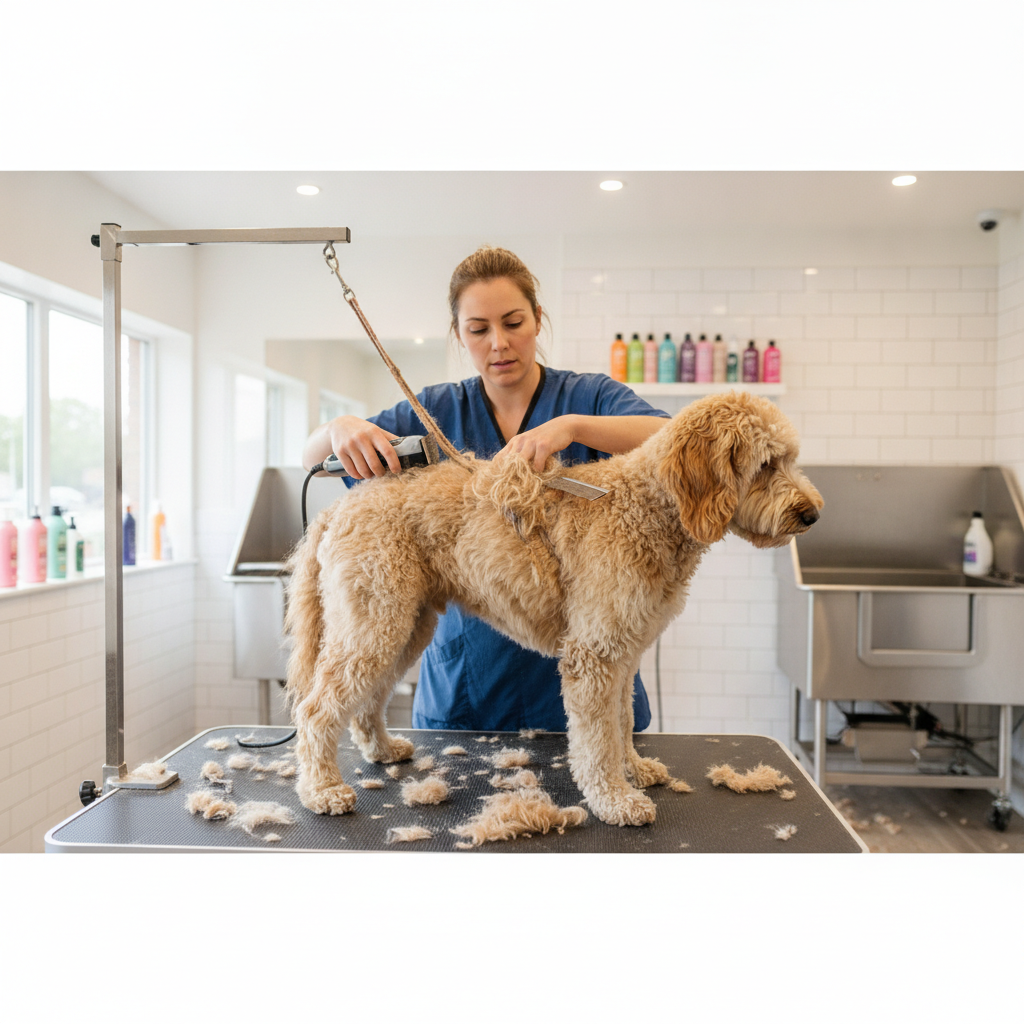
Often, shaving down a severely matted coat is the kindest and safest option for the pet. This requires skill and extreme caution:
- Blade Selection: Start with a longer blade (e.g., #10 or #7F) to get under the mats if possible, then move to shorter blades like a #30 or #40 if mats are very tight to the skin. Always use a ceramic or cool-running steel blade, checking temperature frequently.
- Skin Protection: Matted skin is often thin and easily nicked. Stretch the skin taut away from the blade. Use your non-dominant hand to guide and protect.
- Working Slowly and Methodically: Shave against the grain, lifting the mat away from the skin. Take frequent breaks to allow the blade to cool and to check the pet's skin.
- Hidden Dangers: Be acutely aware of skin tags, nipples, or other protrusions that can be obscured by mats.
- Post-Shave Care: After shaving, thoroughly bathe the pet using a soothing shampoo and conditioner. Inspect the skin closely for any hidden issues.
Transparent Client Communication is Key
Effective communication is paramount when dealing with matted pets. Educate the client on:
- The Severity: Show them, don't just tell them, the condition of the coat and underlying skin.
- Risks of Dematting: Explain potential skin irritation, clipper burn, or discomfort.
- Necessity of Shaving: Clearly articulate why shaving is the safest, most humane option, even if it changes the pet's appearance.
- Cost & Time: Be transparent about the increased time and cost associated with dematting or shaving matted coats.
- Aftercare Advice: Provide detailed instructions for post-grooming care, especially for sensitive skin.
- Prevention Strategies: Educate them on regular brushing, appropriate tools, and scheduling frequent professional grooms to prevent future matting.
#pet grooming skills #matted coat solutions #pet safety #client communication #grooming professional