Safer Suds: Essential Chemical Management for Pet Grooming Salons
Master chemical safety in your pet grooming salon. Learn proper storage, handling, ventilation, and hazard communication for a safer environment.
Safer Suds: Essential Chemical Management for Pet Grooming Salons
In the bustling environment of a pet grooming salon, our primary focus is always on the well-being of the animals and the satisfaction of their owners. However, amidst the suds and shears, there's a critical aspect of salon operations that often receives less attention than it deserves: chemical safety. From everyday shampoos to specialized disinfectants, grooming salons utilize a range of chemicals that, if improperly managed, can pose risks to pets, staff, and clients. Establishing robust chemical management protocols is not just good practice; it's fundamental to maintaining a safe and professional workspace.
Understanding the Chemicals in Your Salon
The first step in effective chemical management is identifying and understanding every chemical product used. This includes a vast array of items:
- Grooming Products: Shampoos, conditioners, de-shedding treatments, flea/tick treatments, ear cleaners, colognes.
- Cleaning & Disinfection Products: Cage cleaners, surface disinfectants, floor cleaners, laundry detergents.
- Pest Control: Sprays or solutions for salon pest management.
Each of these products comes with its own set of potential hazards, from skin irritation and respiratory issues to flammability or toxicity if ingested. Familiarize yourself and your team with the ingredients and intended use of each item.
Safe Storage and Handling Practices
Proper storage is paramount to preventing accidents. Implement the following:
- Original Containers & Labels: Always keep chemicals in their original, clearly labeled containers. If decanting is necessary, use appropriate secondary containers that are clearly marked with the product name, hazards, and usage instructions.
- Segregation: Store incompatible chemicals separately to prevent dangerous reactions. For example, acids and bases should not be stored together.
- Temperature Control: Store products in cool, dry areas away from direct sunlight or extreme temperatures, which can degrade chemicals or increase volatility.
- Accessibility: Keep chemicals out of reach of pets and unauthorized personnel, ideally in locked cabinets or designated storage rooms.
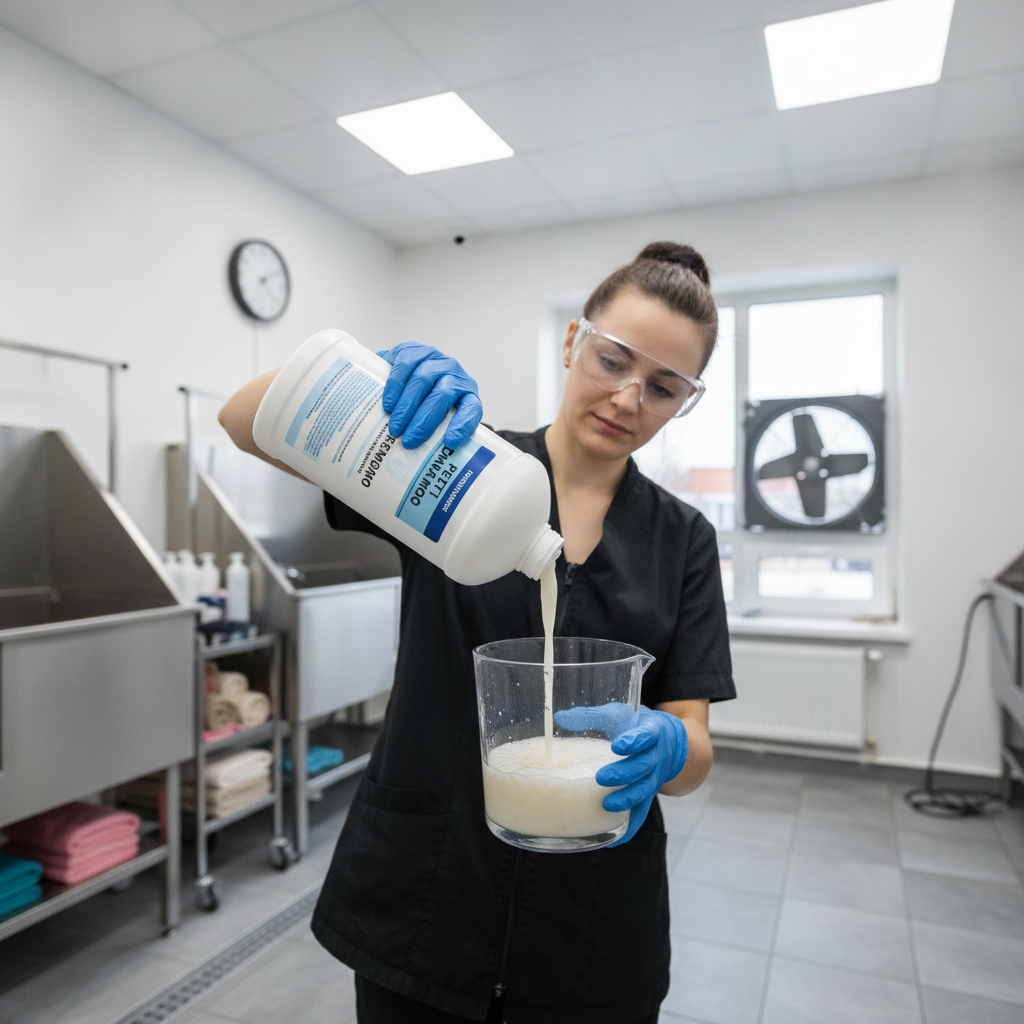
When handling, personal protective equipment (PPE) is non-negotiable. Gloves, eye protection, and sometimes masks should be worn as indicated by the product's safety data sheet (SDS). Always dilute products according to manufacturer instructions in well-ventilated areas, avoiding splashes and spills.
The Importance of Hazard Communication and SDS
A comprehensive hazard communication program is vital. Every chemical product should have a Safety Data Sheet (SDS) readily accessible to all staff. The SDS provides crucial information on:
- Product identification and ingredients.
- Hazard identification (e.g., flammability, corrosivity).
- First-aid measures.
- Handling and storage.
- Exposure controls/PPE.
- Physical and chemical properties.
Regular training for all staff on how to read and understand SDS, proper handling procedures, and emergency responses (e.g., what to do in case of a spill or exposure) is essential. Post clear emergency contact information and spill response kits in easily accessible locations.
Ventilation and Waste Disposal
Good ventilation is key to minimizing exposure to airborne chemical fumes. Ensure your salon has adequate air circulation, especially in areas where chemicals are mixed or used extensively. Consider local exhaust ventilation for specific tasks if needed.
Chemical waste must be disposed of responsibly and in accordance with local regulations. Never pour concentrated chemicals down the drain. Follow manufacturer guidelines for disposal and consult with local waste management authorities in Hong Kong for proper procedures, especially for expired or hazardous products.
Conclusion
Chemical safety is an ongoing commitment. By understanding the chemicals you use, implementing strict storage and handling protocols, prioritizing hazard communication, and ensuring proper ventilation and waste disposal, you create a significantly safer environment for your beloved animal clients, your dedicated staff, and your entire salon community. Proactive vigilance in chemical management elevates your salon's professionalism and peace of mind.
#Chemical Safety #Salon Safety #Hazard Communication #Pet Grooming #Workplace Safety
Run your grooming shop on PettoBook — 14-day free Pro trial, no card