Reading the Room: Deciphering Canine Body Language for Safer, Stress-Free Grooming
Master canine body language to identify stress signals, prevent behavioral issues, and create a safer, happier grooming environment.
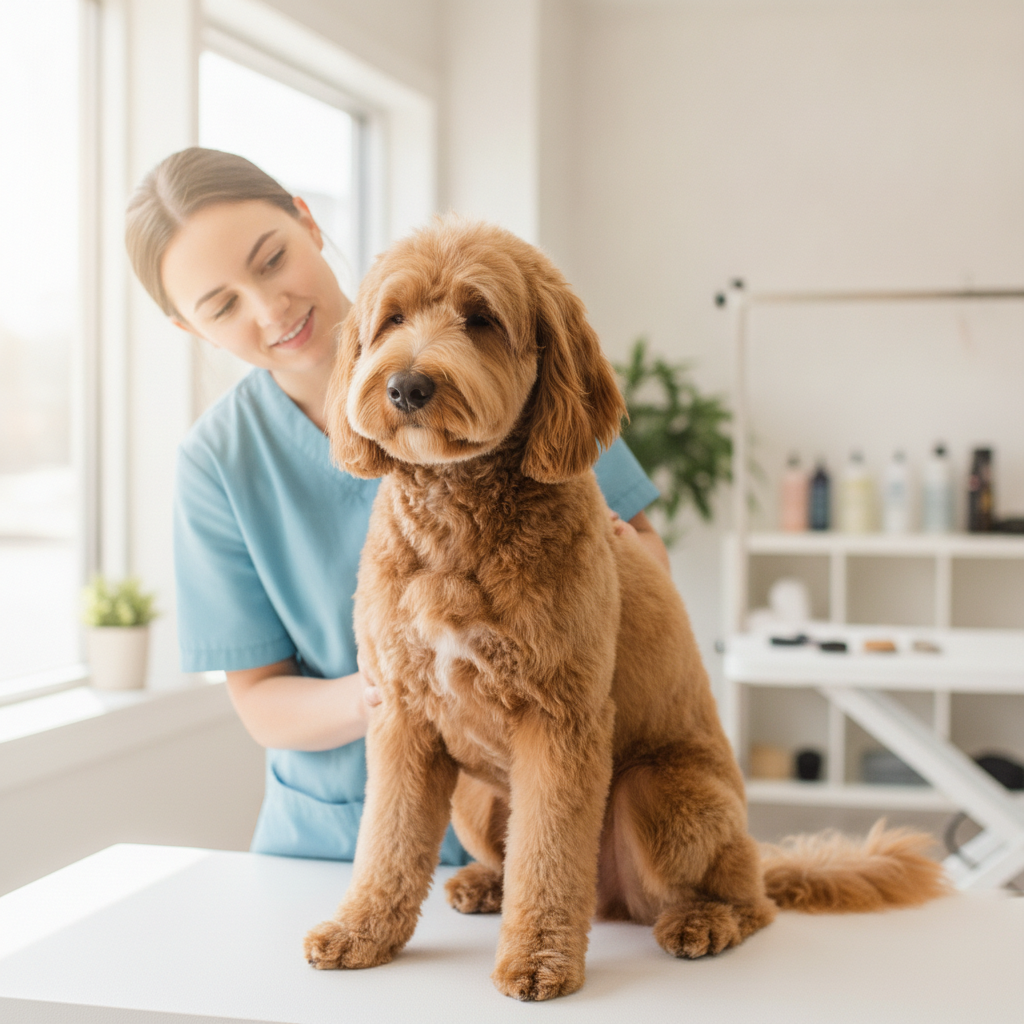
As professional pet groomers, our work extends far beyond styling and bathing. It involves a deep understanding of the animals we care for, particularly their emotional state and communication signals. Dogs, lacking verbal language, communicate primarily through their body. Mastering canine body language is not just a valuable skill; it's an indispensable tool for ensuring safety, building trust, and providing a truly stress-free grooming experience for every client.
The Silent Language: Why It Matters to Groomers
Ignoring subtle stress signals can escalate into fear, aggression, or even injury for both the dog and the groomer. By actively observing and interpreting a dog's body language, groomers can anticipate potential issues, adjust their approach, and prevent situations from spiraling out of control. This proactive approach cultivates a reputation for compassionate and skilled care, crucial for client retention in Hong Kong's competitive market.
Decoding Distress: Key Canine Stress Signals
Dogs often display a range of signals to indicate discomfort or anxiety, from very subtle cues to more overt warnings. Learning to identify these early is critical.
Subtle Indicators of Discomfort:
- Lip Licking & Yawning (out of context): Often seen when a dog is slightly stressed, not after eating or waking up.
- Whale Eye: When the whites of the eyes are visible, indicating tension or fear.
- Head Turning Away/Averted Gaze: A dog might try to avoid direct eye contact or turn its head away from the groomer or the grooming tool.
- Stiff Posture & Tense Muscles: A rigid body, tail held low or tucked, and tense facial muscles.
- Ears Pinned Back: Flattened against the head, signifying fear or anxiety.
Moderate to Overt Warning Signs:
- Panting (without heat): Rapid, shallow breathing can be a sign of stress, especially in a cool environment.
- Trembling: Shaking that isn't due to cold.
- Lowered Body & Crouching: Attempting to make themselves smaller or hide.
- Growling or Snapping: These are clear warnings that a dog is feeling overwhelmed and may escalate to biting if ignored.
Context is Key: Reading the Whole Picture
It's vital to interpret signals within the broader context. A panting dog in a warm salon is different from a panting dog shivering on the table in an air-conditioned room. Always consider the situation, the dog's history, and a combination of multiple signals rather than just one isolated cue.
Strategies for a Positive Grooming Experience
Once you've identified signs of stress, immediate action is required:
- Pause and Reassess: Stop what you're doing. Give the dog a moment to decompress.
- Gentle Approach: Use a calm, reassuring voice. Move slowly and deliberately.
- Positive Reinforcement: Offer high-value treats and praise for calm behavior, even for very small successes.
- Environmental Adjustments: Lower noise levels, reduce bright lights, or provide a non-slip mat if the dog seems insecure.
- Break Down Tasks: If a particular step (e.g., nail trimming) is stressful, break it into smaller, manageable parts over several short sessions if possible.
- Know When to Stop: Forcing a dog through a highly stressful procedure can damage trust and create long-term aversion. Sometimes, rescheduling or referring to a vet for sedation is the safest option.
Building Bridges with Owners
Communicate openly with pet owners about their dog's behavior during grooming. Educate them on what you observed and suggest strategies they can practice at home to make future visits smoother. This collaboration reinforces your professionalism and commitment to their pet's well-being.
Ultimately, a groomer who truly understands canine communication is not just a technician but a trusted caregiver. By honing your ability to "read the room" and respond appropriately, you elevate your service, enhance safety, and build enduring relationships with both pets and their owners.
#Dog Behavior #Grooming Safety #Body Language #Stress Reduction #Professional Skills
Run your grooming shop on PettoBook — 14-day free Pro trial, no card