Proactive Strategies for Managing Reactive Dogs in the Grooming Salon
Learn proactive strategies for pet grooming professionals to manage reactive dogs, ensuring safer and less stressful grooming sessions.
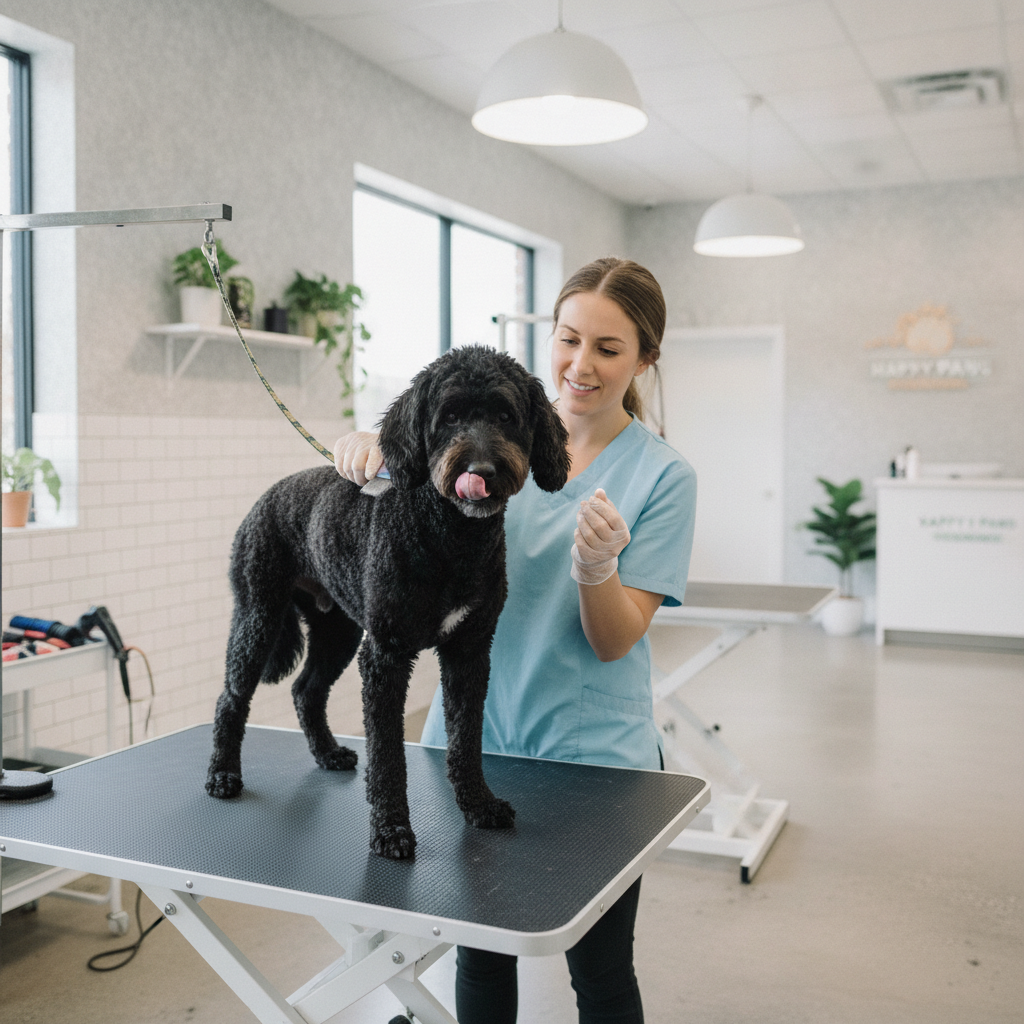
Working with dogs in a grooming salon is immensely rewarding, yet it often presents the challenge of reactive dogs. These dogs may bark, lunge, growl, or cower excessively due to fear, anxiety, or overstimulation. For Hong Kong's grooming professionals, understanding and proactively managing such behaviours is paramount for safety and creating a less stressful experience for both the dog and the groomer.
Understanding the Roots of Reactivity
Reactivity often stems from underlying issues:
- Fear or Anxiety: Negative past experiences, unfamiliar environments, or specific stimuli (clippers, dryers) can trigger responses.
- Pain or Discomfort: Undiagnosed medical conditions or sore spots may lead to defensive reactions upon touch.
- Lack of Socialization: Insufficient exposure to varied sights, sounds, and people during critical development can result in apprehension.
- Overstimulation: A busy salon with multiple dogs, noises, and movements can easily overwhelm sensitive individuals.
Pre-Grooming Assessment: Your First Defence
A thorough intake process is crucial. Use detailed forms inquiring about temperament, past grooming, known triggers, and health. Engage in direct conversation with the owner and observe the dog's arrival behaviour. This initial assessment helps gauge comfort levels and plan your approach effectively.
Cultivating a Calm and Controlled Environment
The salon environment significantly impacts dog behaviour. Consider:
- Minimizing Sensory Overload: Use calming pheromone diffusers, soothing music, and reduce sudden loud noises.
- Visual Barriers: Opaque screens between grooming stations can help dogs reactive to other canines.
- Scheduled Quiet Times: If possible, book reactive dogs during less busy periods or in designated quiet areas.
- Secure Handling: Always ensure secure, comfortable restraint using appropriate loops and tables to prevent escape or injury.
Implementing Positive and Proactive Handling
Building Trust Through Counter-Conditioning
Pair potentially stressful stimuli (e.g., clipper sounds, nail trims) with high-value treats or praise. Start gradually, exposing the dog at a low intensity and rewarding calm behaviour. This shifts the dog's emotional association from negative to positive.
Reading and Responding to Stress Signals
Pay close attention to subtle body language: lip licking, yawning, whale eye, tense body, tucked tail, or excessive panting. When observed, pause, reassess, and allow the dog to decompress. Pushing a stressed dog can quickly escalate reactivity.
Safety Tools: Muzzles and Gentle Restraint
A muzzle serves as a safety measure, not punishment, and should ideally be introduced positively. Gentle, firm handling minimizes the need for excessive restraint. Always prioritize the dog's comfort and safety above all else.
Effective Communication with Owners
Honest and open dialogue with owners is vital. Explain observations regarding their dog's stress or reactivity and outline the measures taken. Set realistic expectations for grooming outcomes and potential needs for shorter, more frequent sessions. Recommend professional dog trainers or veterinary behaviourists if reactivity is severe or beyond your salon's scope.
Groomer Well-being: Managing Your Stress
Working with reactive dogs can be physically and emotionally demanding. Acknowledge your limits, take breaks, and seek support from colleagues. Prioritizing your well-being is fundamental to providing excellent, consistent care.
By implementing these proactive strategies, grooming professionals can transform challenging sessions into manageable, and often positive, experiences. Building trust, understanding canine behaviour, and maintaining a safe environment are crucial for successful grooming, especially for dogs requiring extra patience and understanding.
#Dog Behaviour #Reactive Dogs #Grooming Safety #Pet Professional #Salon Management
Run your grooming shop on PettoBook — 14-day free Pro trial, no card