Mastering Dematting: Safe Techniques and Client Education for Pristine Coats
Learn advanced, safe dematting techniques and how to educate clients to prevent matting, ensuring better outcomes and happier pets.
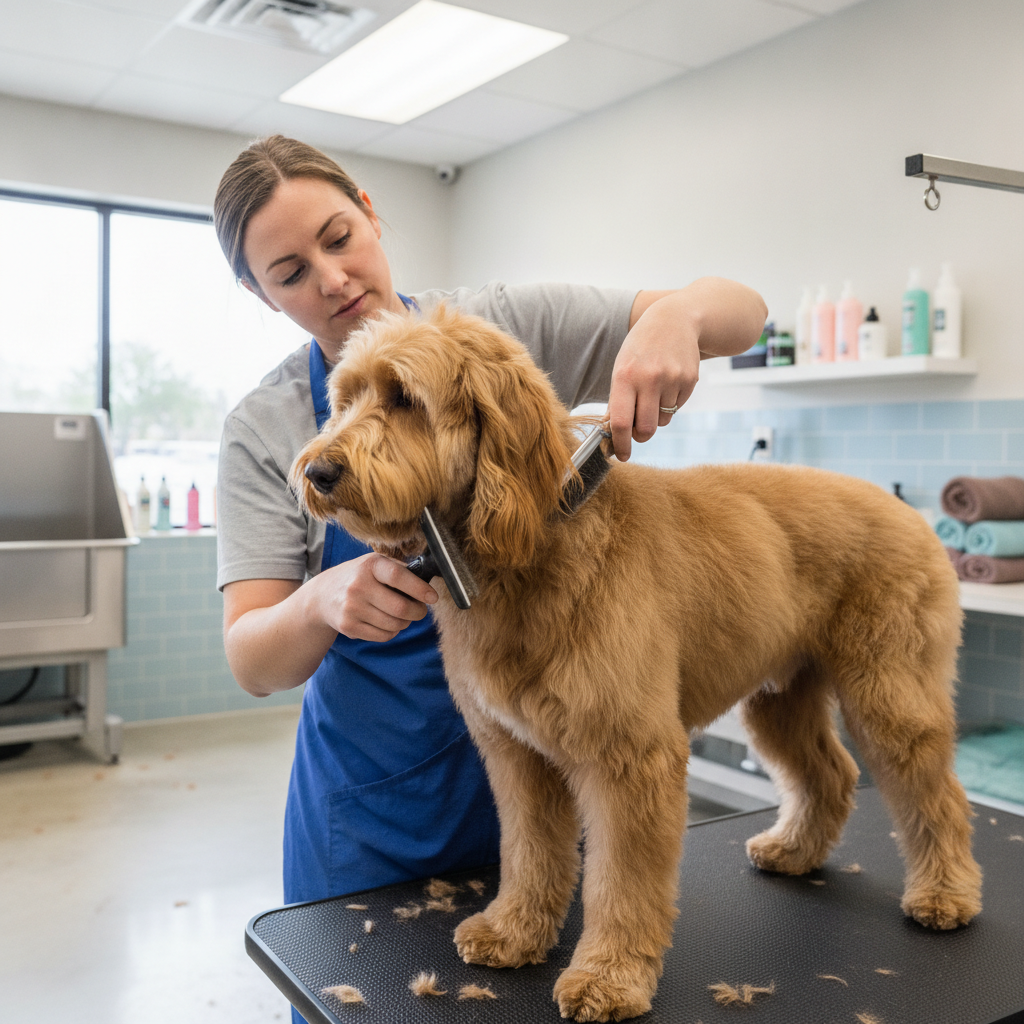
Understanding Matting and Its Risks
Matting is more than just an aesthetic issue; it poses significant health risks to pets. Formed by tangled fur that compacts into dense clumps, mats can pull painfully on the skin, restrict movement, and create a breeding ground for parasites, bacteria, and fungi. Severe matting can lead to skin infections, hot spots, hematomas, and even impede circulation. As professional groomers, our primary responsibility is the animal's welfare, making safe and effective dematting a crucial skill.
Essential Tools for Effective Dematting
Having the right tools is paramount. A professional groomer's toolkit for dematting should include:
- Dematting Rakes: Designed with sharp, curved blades to cut through mats with minimal pulling.
- Mat Splitters: Useful for breaking down larger, tougher mats into smaller, more manageable sections.
- Slicker Brushes: Essential for teasing out smaller tangles and general coat maintenance after initial dematting.
- Steel Combs: For thorough check-throughs to ensure all mats are removed and to identify any missed spots.
- Detangling Sprays: To lubricate the coat, making mats easier to separate and reducing static and pulling.
- Blunt-nosed Scissors: For carefully cutting small, tight mats close to the skin, always with extreme caution.
Step-by-Step Safe Dematting Techniques
Approach every matted coat with patience and a systematic method:
- Assess the Matting: Carefully examine the extent and severity of the mats. Note their location, closeness to the skin, and the pet's tolerance.
- Apply Detangling Spray: Liberally spray the matted area, allowing it to penetrate and loosen the fur. This acts as a protective barrier and reduces friction.
- Section and Separate: Using your fingers, gently try to pull apart the mat from the skin. Work on small sections at a time.
- Use Appropriate Tools: For larger mats, use a mat splitter to carefully cut through the mat in the direction of hair growth. Follow up with a dematting rake, working from the outer edge of the mat inwards, using short, gentle strokes. Always place your fingers between the mat and the skin to protect the pet from accidental nicks or pulling.
- Constant Comfort Checks: Observe the pet's body language for signs of discomfort or pain. Take breaks if necessary. Your calm demeanor helps keep the pet relaxed.
- Thorough Combing: Once the major mats are removed, use a slicker brush and then a steel comb to ensure the coat is completely tangle-free, especially in sensitive areas like armpits, behind ears, and the groin.
Communicating with Clients: Prevention is Key
Effective dematting extends beyond the grooming table; it involves educating pet owners. Explain the causes of matting and the importance of regular home grooming using the right tools. Emphasize that severe matting often necessitates a full shave-down, which is safer and more humane than painful, lengthy dematting sessions. Discuss the associated costs and potential risks (e.g., clipper irritation after shaving a severely matted coat). By setting clear expectations and providing preventative advice, you build trust and promote better pet welfare.
When to Say No (or Shave)
There are instances when dematting is simply not feasible or ethical. If a pet's coat is severely pelted – a solid layer of matting close to the skin – attempting to demat it can be excruciatingly painful and cause significant skin damage. In such cases, a complete shave-down is the only humane option. Clearly explain this to the client, focusing on the pet's health and comfort. Maintaining your professional integrity means prioritizing animal welfare over aesthetic preferences.
#Dematting #Coat Care #Grooming Techniques #Client Education #Pet Safety