Mastering Canine Paw and Nail Health: Techniques for Safe and Stress-Free Care
Elevate your grooming skills with advanced techniques for canine paw and nail care, ensuring pet comfort and client satisfaction in Hong Kong.
In the bustling world of pet grooming in Hong Kong, while elaborate haircuts and meticulous styling often grab the spotlight, the fundamental yet critical aspect of paw and nail care can sometimes be overlooked. However, mastering this skill is paramount not only for a pet’s comfort and health but also for distinguishing your salon as a truly professional and compassionate service provider. This article delves into advanced techniques and holistic approaches to canine paw and nail care, ensuring a safe, stress-free, and superior experience for every furry client.
Beyond the Basic Trim: Advanced Nail Care Techniques
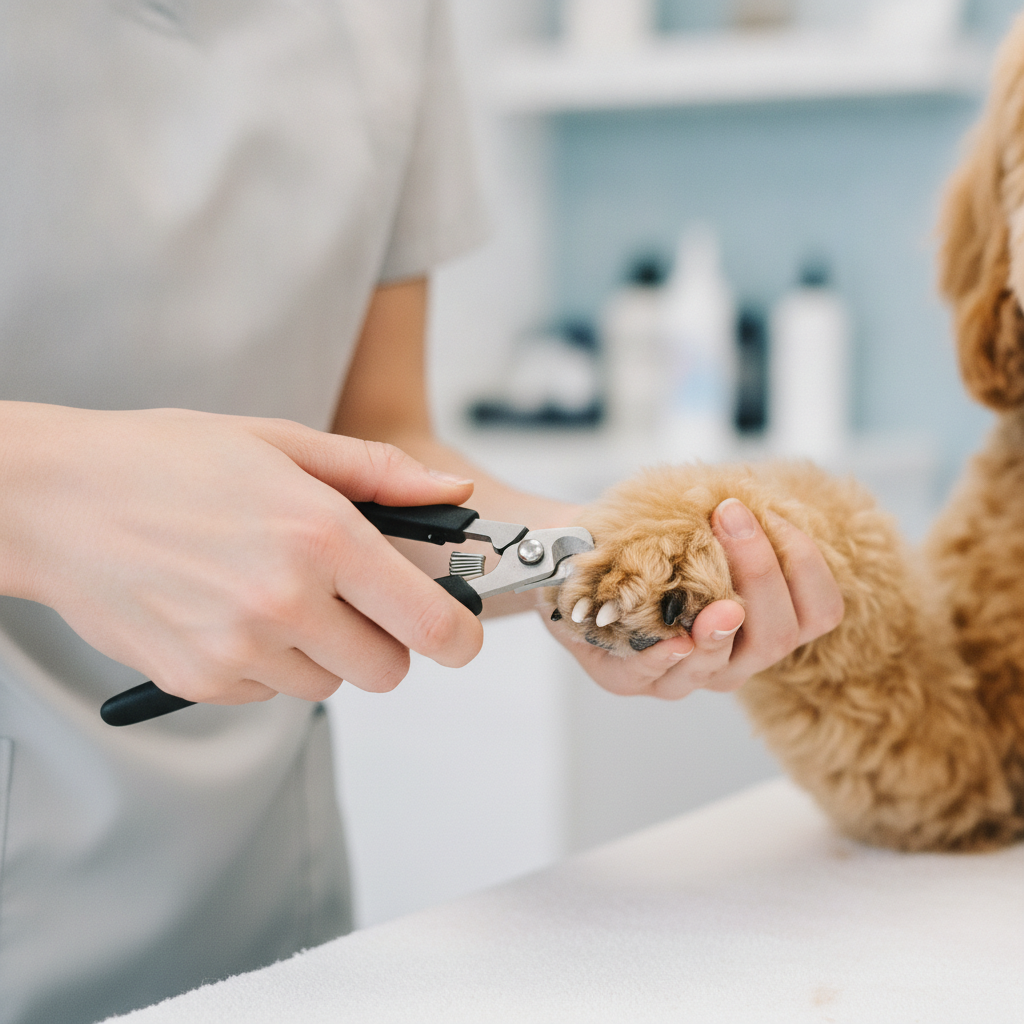
A simple clip is often not enough. Understanding the intricacies of canine nails and the quick is vital. For light-coloured nails, the quick is usually visible as a pinkish area. For dark nails, however, precision relies on incremental trimming and knowing anatomical cues. Instead of one large cut, make several small clips, looking for the greyish, chalky centre before the dark, moist quick appears.
- The Art of Progressive Trimming: For severely overgrown nails, avoid attempting to cut back to the ideal length in one session, as this will expose the quick and cause pain. Instead, trim a small amount regularly over several weeks. This encourages the quick to recede, allowing for shorter, healthier nails over time.
- Tool Selection: While traditional clippers are quick, grinders offer a smoother finish and can be less intimidating for some pets. They are excellent for desensitization and for rounding off sharp edges, reducing the risk of scratches and snags.
- Addressing Ingrown Nails: Regularly check between paw pads for nails growing into the skin, especially dewclaws. These can be incredibly painful and lead to infection if not addressed promptly and carefully.
Comprehensive Paw Pad Health
The paw pads are a dog’s natural shock absorbers and direct contact with the ground. Their health is crucial for overall mobility and comfort.
Trimming Interdigital Hair
Excessive hair between paw pads can collect dirt, debris, moisture, and even harbour parasites, leading to matting, irritation, or fungal infections. Use small, blunt-tipped shears or a fine-blade clipper (e.g., #30 or #40) to carefully trim hair flush with the pads. Always ensure the paw is stable and the blades are parallel to the pad to prevent cuts.
Moisturizing and Protecting Pads
Cracked or dry paw pads can be painful and prone to infection. After grooming, consider offering a paw balm or moisturizer application. Educate clients on protecting their pets' paws from extreme temperatures and harsh surfaces, especially on hot pavement or icy grounds.
Recognizing Common Issues
Be vigilant for signs of distress such as limping, excessive licking, redness, swelling, or unusual growths. Conditions like hyperkeratosis or yeast infections can often be spotted during grooming. While not diagnosing, groomers are often the first to notice these issues and can advise owners to consult a veterinarian.
Strategies for Anxious Paws
Many dogs are sensitive about their paws. Building trust and using positive reinforcement is key.
- Gentle Introduction & Desensitization: Start by simply touching the paws, offering treats and praise. Gradually introduce clippers or grinders, allowing the pet to sniff and investigate.
- Short, Frequent Sessions: For highly anxious dogs, perform shorter nail trims more frequently rather than one long, stressful session.
- Proper Handling: Support the leg and paw firmly but gently, avoiding pulling or twisting. A second handler can sometimes assist in distracting or comforting the pet.
Educating Your Clients
Your expertise extends beyond the grooming table. Empowering clients with knowledge about at-home paw and nail care fosters better pet health and strengthens client loyalty.
- Explain the importance of regular trims to prevent pain and structural problems.
- Advise on recognizing early signs of paw problems and when to seek veterinary advice.
By elevating your paw and nail care services, you not only ensure the well-being of your canine clients but also enhance your salon’s reputation as a leader in comprehensive pet care. This attention to detail transforms a routine service into a testament of your professional skill and dedication.
#Grooming Skills #Pet Health #Nail Care #Paw Care #Grooming Techniques