Mastering Canine Coat Health: Advanced Techniques for Problematic Textures and Skin Conditions
Learn advanced grooming techniques to tackle problematic coat textures and underlying skin conditions, ensuring optimal health and client satisfaction.
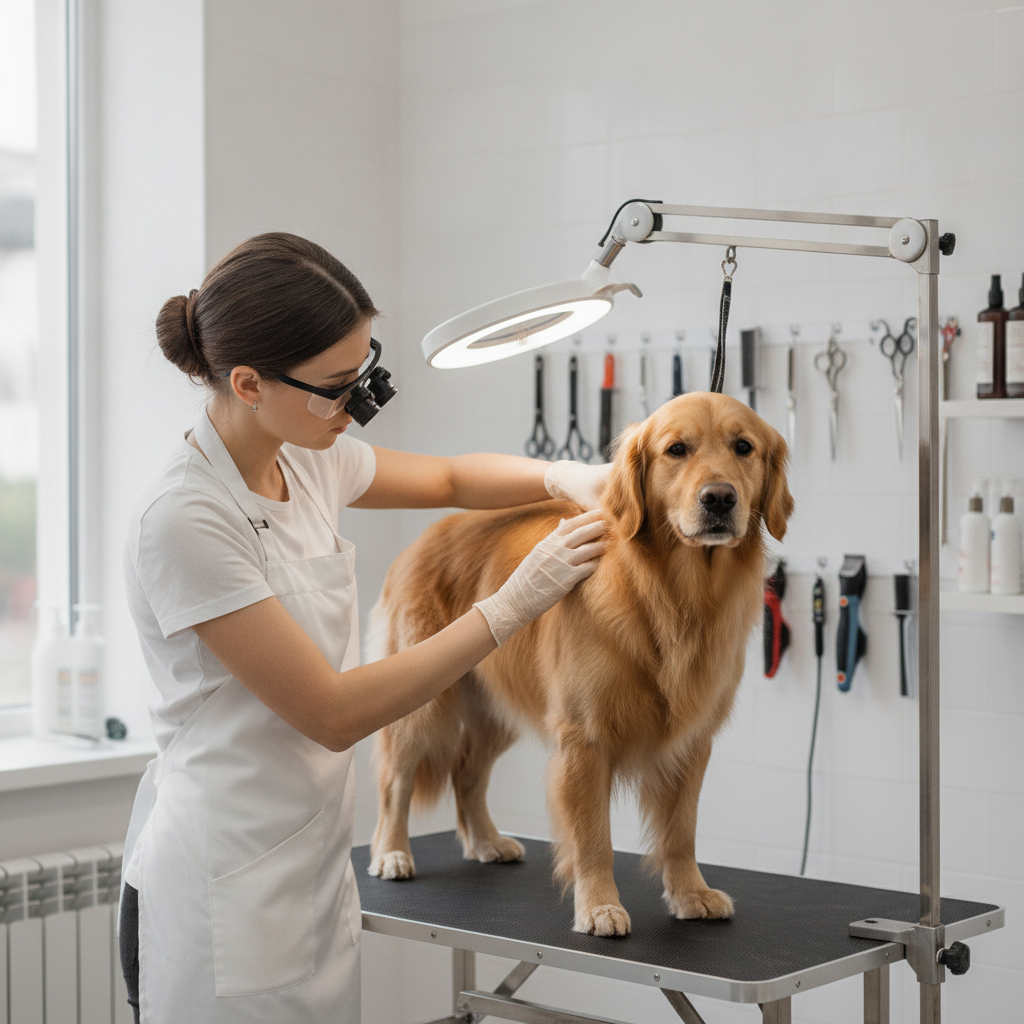
As professional pet groomers, our role extends far beyond merely making pets look presentable. We are often the first line of defence in detecting and addressing underlying coat and skin issues that pet owners might overlook. Mastering the nuances of various coat types and their associated challenges is crucial for delivering exceptional service and ensuring the long-term health and comfort of our furry clients.
Navigating the Double Coat Dilemma
Double-coated breeds like Huskies, Samoyeds, and Golden Retrievers present unique challenges, particularly during shedding seasons. Owners often request shaving to combat shedding or perceived heat. However, shaving a double coat can disrupt its natural insulation properties, leading to discomfort, poor regrowth, and even skin problems. Instead, focus on effective deshedding techniques.
- Professional High-Velocity Drying: This is paramount for lifting dead undercoat and promoting circulation without damaging the guard hairs.
- Specialized Tools: Utilize appropriate deshedding rakes, undercoat rakes, and shedding blades designed to remove loose hair efficiently.
- Client Education: Explain how regular professional deshedding services are more beneficial than shaving, maintaining the coat's natural function and reducing household hair.
Addressing Oily and Problematic Skin Coats
Breeds such as Basset Hounds, Cocker Spaniels, and some Terriers are prone to oily skin or conditions like seborrhea. This can manifest as a greasy coat, unpleasant odour, and skin irritation if not managed properly.
- Targeted Shampoos: Employ degreasing or medicated shampoos specifically formulated to address oily skin and related conditions. Always follow manufacturer instructions for dwell time.
- Thorough Rinsing: Residue from shampoos and conditioners can exacerbate skin issues. Ensure every trace is rinsed away, especially in dense coats.
- Proper Drying: Complete drying is vital. Moisture trapped against the skin can create a breeding ground for bacteria and yeast, worsening oily conditions.
Managing Delicate and Mat-Prone Coats
Poodles, Bichon Frises, and other curly or long-coated breeds are notorious for matting. Prevention is always easier than cure, and skilled dematting requires patience and precise technique to avoid pain or skin damage.
- Line Brushing Technique: Teach clients and practice yourself the line brushing method to ensure thorough brushing down to the skin, preventing mats from forming at the base of the hair shaft.
- Safe Dematting: For existing mats, use appropriate dematting tools (e.g., mat splitters, rakes) with extreme caution, always protecting the skin. Explain to owners that severe matting may necessitate a short clip for the pet's comfort and welfare.
- Frequency of Grooming: Emphasize the importance of regular professional grooming appointments, combined with consistent home brushing, to manage these coats effectively.
Recognising Underlying Skin Conditions
Beyond coat texture, groomers are uniquely positioned to spot early signs of skin conditions. Look for redness, flaking, bumps, lesions, excessive scratching, or hot spots. These can indicate allergies, infections, parasites, or other health issues.
"A professional groomer's keen eye and gentle touch can often detect subtle changes that warrant veterinary attention long before an owner notices."
Document any findings and communicate them clearly and professionally to the pet owner, recommending a veterinary consultation when appropriate. Our role is not to diagnose but to observe and advise on professional medical assessment.
By continually refining our knowledge of coat types, advanced grooming techniques, and early detection of skin issues, we elevate our profession. Investing in ongoing education and specialized tools ensures we provide the highest standard of care, leading to healthier pets and more satisfied clients.
#pet grooming #coat health #skin conditions #advanced techniques #professional groomers