Evaluating Hands-On: Practical Assessments for Pet Groomer Candidates
Learn how to design and implement effective practical skill assessments for pet groomer interviews, ensuring you hire truly capable professionals.
Evaluating Hands-On: Practical Assessments for Pet Groomer Candidates
In the competitive pet grooming industry, a candidate's resume and interview performance don't always fully reveal their true capabilities. While discussing experience is valuable, the ultimate test of a groomer's skill lies in their hands-on ability. For Hong Kong salon owners, integrating practical assessments into your hiring process is a powerful way to ensure you recruit truly competent and confident professionals who can meet the high standards of local pet owners.
Why Practical Assessments Are Indispensable
Traditional interviews excel at evaluating soft skills, communication, and personality fit. However, they often fall short in assessing the intricate motor skills, speed, precision, and animal handling techniques essential for a pet groomer. A practical assessment bridges this gap, providing concrete evidence of a candidate's proficiency, identifying potential skill gaps, and revealing how they perform under pressure. It also offers insights into their problem-solving abilities and adherence to safety protocols.
Designing an Effective Assessment
The key to a successful practical assessment is clear objectives and a standardized approach. Consider what core skills are most critical for the role you're hiring for. For a junior groomer, fundamental tasks like bathing, drying, nail clipping, and basic brush-outs might be sufficient. For an experienced groomer, a full breed-specific style or a complex dematting scenario could be more appropriate.
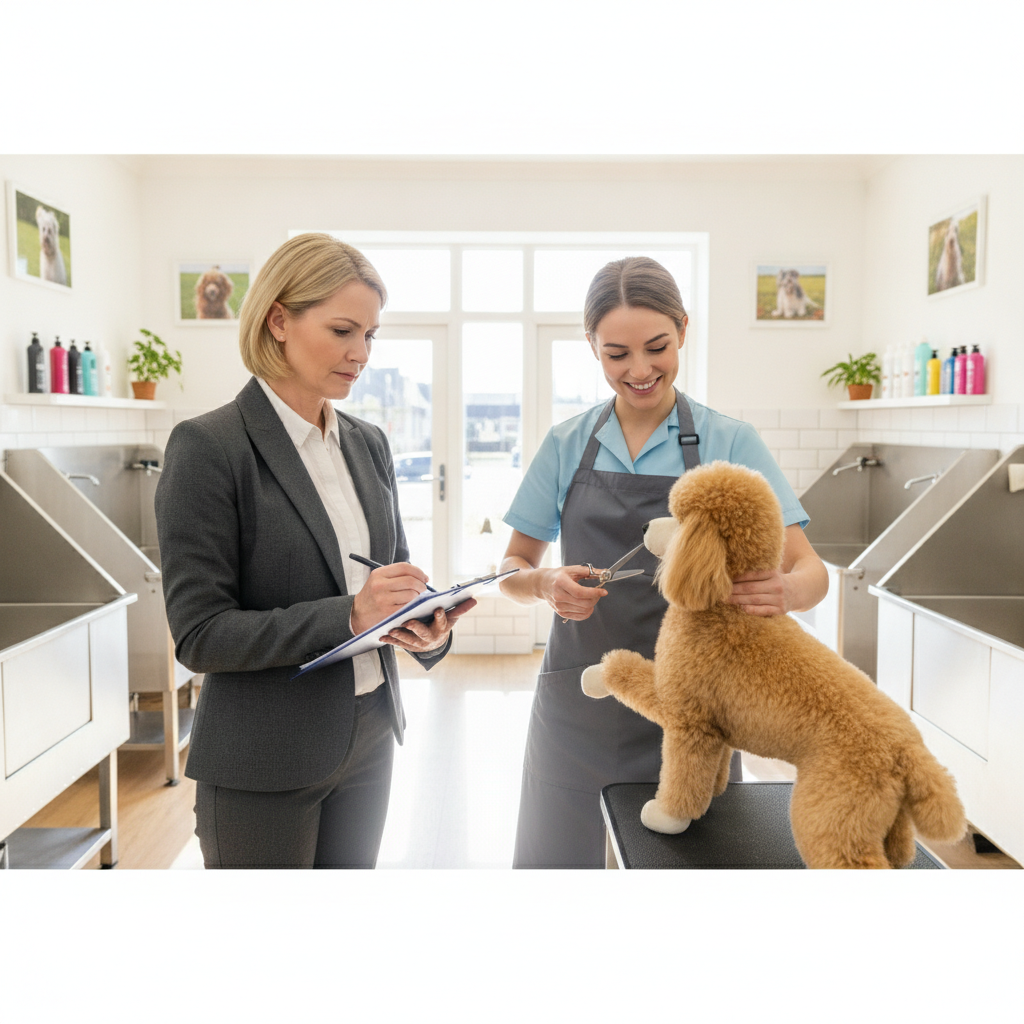
- Simulation vs. Live Animal: For ethical and safety reasons, especially in Hong Kong's busy environment, using a high-quality grooming mannequin or a cooperative staff pet (with express owner consent and under strict supervision) is often preferable to an unfamiliar client's pet. This minimizes stress for the animal and liability for your salon. If a live animal is used, prioritize one that is calm, well-socialized, and accustomed to grooming.
- Specific Tasks: Provide clear instructions. For example, "Perform a full deshedding treatment on this mannequin dog, focusing on even coat removal and finishing details" or "Demonstrate a safe and efficient nail trim and ear cleaning on this model."
- Time Limits: Set realistic timeframes that mirror actual salon conditions. This helps evaluate efficiency alongside quality.
- Tools and Environment: Decide whether candidates should use your salon's equipment or bring their own. Providing a consistent setup ensures fairness. Observe how they organize their workspace and handle tools.
What to Observe and How to Evaluate
Beyond the final aesthetic result, pay close attention to the process. Use a rubric or checklist to standardize your evaluation. Key areas to observe include:
- Technique: Are they holding clippers correctly? Is their scissor work smooth and precise? Are they using appropriate strokes for bathing and brushing?
- Efficiency: Are they moving with purpose? Are there unnecessary delays?
- Safety: Are they mindful of potential hazards? Do they demonstrate safe handling practices (even on a mannequin)? Are they aware of the "quick" when nail clipping?
- Animal Handling (if applicable): If a live animal is used, observe their demeanor, ability to soothe, and gentle manipulation. Are they reading the animal's body language?
- Cleanliness and Organization: Do they maintain a tidy workspace throughout the process? How do they clean up afterwards?
- Problem-Solving: If a minor "issue" is introduced (e.g., a "tangle" in the mannequin's fur), how do they address it?
Ask clarifying questions during or after the assessment. "Why did you choose that blade size?" or "How would you handle a dog that resists nail trims?" This reveals their reasoning and knowledge base.
Ensuring Fairness and Transparency
Inform candidates about the practical assessment well in advance. Explain its purpose and what skills will be evaluated. Consistency is crucial; every candidate for the same role should undergo a similar assessment under similar conditions. This minimizes bias and ensures a fair comparison.
By implementing thoughtful practical assessments, you move beyond mere conversation to truly see a groomer's potential in action. This leads to more confident hiring decisions, reduced turnover, and ultimately, a stronger, more skilled team ready to deliver exceptional service to Hong Kong's beloved pets.
#Hiring #Groomer Assessment #Interview Skills #Salon Management #Hong Kong Pets