Ensuring Safety: Grooming Senior and Special Needs Pets
Grooming senior and special needs pets requires extra vigilance. This article covers pre-grooming assessment, gentle handling, environmental adjustments, and emergency plans for pet safety.
Ensuring Safety: Grooming Senior and Special Needs Pets
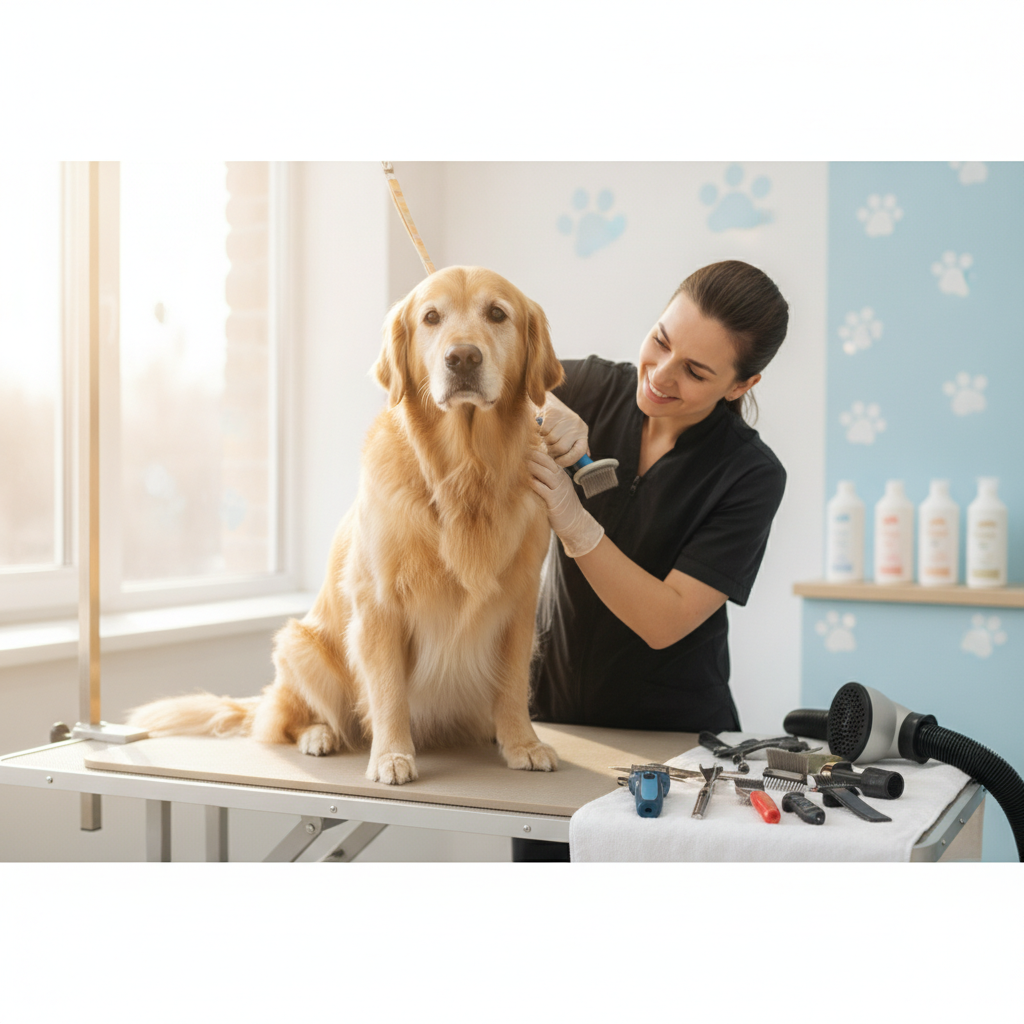
As pet care professionals, we frequently encounter senior pets and those with special needs. While immensely rewarding, grooming these vulnerable animals demands heightened vigilance, a tailored approach, and specific safety protocols. Their unique physical and emotional challenges mean standard grooming procedures may pose significant risks, from increased stress to physical injury. Prioritizing their safety not only protects the pet but also reinforces your salon's reputation for compassionate, expert care.
Pre-Grooming Assessment: The First Line of Defense
Before any clippers or brushes come out, a thorough pre-grooming assessment is paramount. This goes beyond a routine health check. Engage in a detailed discussion with the owner to understand:
- Medical History: Any existing conditions like arthritis, heart murmurs, epilepsy, diabetes, or respiratory issues.
- Mobility: Specific limitations, pain points, or areas to avoid during handling.
- Behavioral Tendencies: Signs of anxiety, discomfort, or aggression, especially in new environments.
- Medications: Current prescriptions and their potential side effects, such as drowsiness or increased sensitivity.
- Recent Changes: Any recent changes in health or behavior that might affect their grooming tolerance.
Consider requesting veterinary clearance for pets with complex conditions. This initial consultation helps you anticipate challenges and adjust your approach proactively.
Gentle Handling and Environmental Adaptations
The grooming environment and your handling techniques must be modified for these delicate clients.
- Minimal Restraint: Opt for the least restrictive methods possible. Use supportive slings for standing, non-slip mats on tables and in tubs, and gentle, reassuring vocalizations. Avoid forcing positions that cause discomfort.
- Temperature Control: Senior pets, particularly those with underlying health issues, can be more susceptible to temperature extremes. Ensure your salon is comfortably cool in summer and warm in winter, avoiding drafts.
- Noise Reduction: Loud dryers, clippers, and barking can be highly stressful. Create a calmer grooming area, perhaps with sound-absorbing materials or scheduled quiet times.
- Shorter, More Frequent Sessions: Longer grooming sessions can be exhausting and distressing. Break down the groom into shorter, manageable segments, allowing for frequent rest breaks. Consider multiple visits for complex grooms.
Product Selection and Grooming Techniques
The products and tools you choose can also impact safety.
- Hypoallergenic and Mild Products: Senior pets often have more sensitive skin. Use gentle, tear-free, pH-balanced shampoos and conditioners designed for sensitive skin.
- Careful Drying: Avoid high heat settings on dryers. Towel dry as much as possible, then use a low-speed, cool-air dryer, maintaining a safe distance. Monitor for signs of overheating or distress.
- Precision Trimming: Be extra cautious with clippers and scissors around fragile skin, moles, or lumps common in older pets. Use blunt-nosed scissors where appropriate. Avoid excessive pulling or tugging on the coat.
- Constant Monitoring: Throughout the entire process, pay close attention to vital signs: breathing, gum color, body language, and energy levels. Any sudden changes warrant immediate cessation of grooming and assessment.
Emergency Preparedness and Communication
Despite all precautions, incidents can occur. Having a clear emergency plan is crucial.
- First Aid Kit: A well-stocked pet first aid kit should be readily accessible.
- Emergency Contacts: Keep the owner's contact information and their veterinarian's details immediately on hand.
- Training: Ensure all staff are trained in pet first aid and CPR, specifically recognizing signs of distress in senior and special needs animals.
- Transparent Communication: If a pet becomes overly stressed or unwell, communicate immediately with the owner. It’s better to stop a groom halfway than to push a pet beyond its limits.
By implementing these specialized safety protocols, you not only protect your most vulnerable clients but also strengthen your salon's reputation as a trusted and responsible pet care provider in Hong Kong's competitive market.
#Pet Safety #Senior Pets #Special Needs Pets #Grooming Protocols #Hong Kong Pet Grooming
Run your grooming shop on PettoBook — 14-day free Pro trial, no card