Demystifying Mats: Advanced Techniques for Gentle and Effective Coat Restoration
Unlock advanced dematting strategies and gentle coat restoration techniques to tackle even the most challenging matted coats effectively and safely.
The Unavoidable Challenge: Tackling Matted Coats
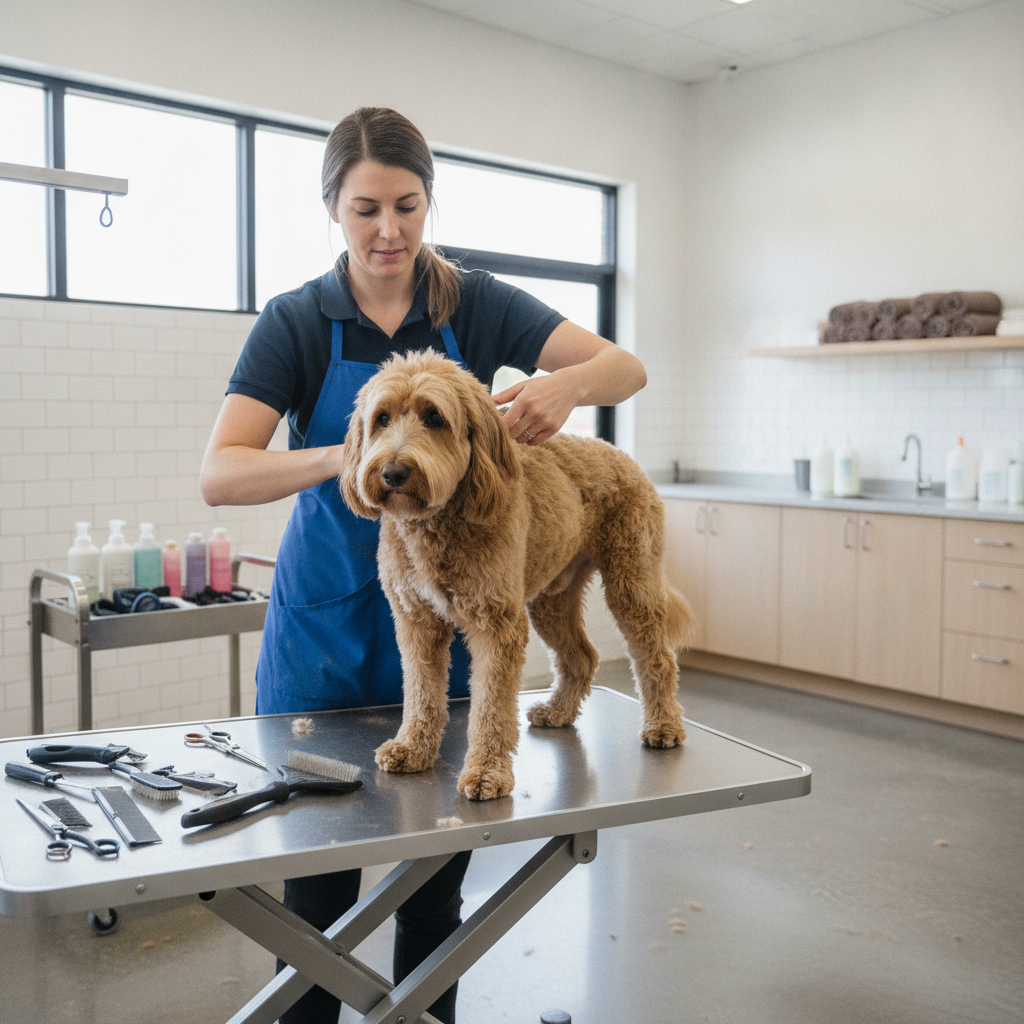
In the world of professional pet grooming, few challenges are as common and demanding as dealing with severely matted coats. Especially in Hong Kong's humid climate, even well-intentioned pet owners can find their companions developing painful mats. As groomers, our responsibility extends beyond aesthetics; it's about comfort, hygiene, and the pet's overall well-being. This article delves into advanced techniques for dematting and coat restoration, emphasizing a humane and effective approach.
Initial Assessment: Your First Crucial Step
Before any tool touches the coat, a thorough assessment is paramount. Gently run your fingers through the coat, feeling for the extent and location of the mats. Differentiate between surface tangles, tight mats, and pelted coats. Crucially, check for skin irritation, sores, or parasites hidden beneath the mats. This initial evaluation guides your strategy and helps you determine if dematting is even a humane option or if shaving is necessary. Communicate your findings clearly with the owner, explaining the potential discomfort and time involved.
The Right Tools for the Job
Having a specialized arsenal of tools is key. Each serves a specific purpose:
- Detangling Sprays/Conditioners: Essential for lubricating the hair shaft, reducing friction, and making mats easier to separate without causing excessive pulling.
- Slicker Brushes (various pin densities): Ideal for separating smaller tangles and line brushing.
- Wide-Tooth Combs: For working through larger sections and checking your work.
- Mat Splitters/Rakes: Use these with extreme caution to break through dense mats without cutting the skin. Always ensure the blade is angled away from the skin.
- Dematter Tools (e.g., rake-style dematters): Excellent for gently teasing apart compacted fur.
- Blunt-Ended Scissors: For carefully snipping small, stubborn knots or relieving tension around ears or armpits, always sliding under the mat and cutting parallel to the body.
Advanced Dematting Techniques
Sectioning and Line Brushing
Never attempt to brush a large matted area all at once. Work in small sections, typically 1-2 inches wide. Apply detangling spray generously to the section. Start brushing from the very tip of the hair, slowly working your way down towards the skin. Use a technique called "line brushing," where you hold the hair above the section you're working on, exposing the base, and brush downwards. This ensures you're reaching the hair closest to the skin, where mats often begin.
The "Pitting" Method
For very dense, flat mats, the pitting method can be effective. With a mat splitter or a dematting rake, carefully create small channels or "pits" through the mat, working slowly and gently. Once pits are created, you can then use a slicker brush or comb to gently tease apart the smaller sections within the pits. Always support the skin to minimize pulling.
When to Say "No" to Dematting
There comes a point where dematting becomes inhumane. If the mats are too tight, too close to the skin, or cover a large portion of the body, the pain and stress caused by dematting outweigh the benefit. In such cases, the most compassionate choice is to shave the coat short beneath the mats. This requires clear communication with the owner, explaining that the pet's welfare is the top priority, and that shaving is often a fresh start for healthier coat growth and a more comfortable pet.
Client Education and Aftercare
Dematting is often a costly and time-consuming service. Educate owners on preventative care, such as regular brushing, professional grooming schedules, and the importance of using appropriate tools at home. Explain the risks associated with matted coats (skin infections, discomfort) and the benefits of maintaining a tangle-free coat. Providing a follow-up grooming schedule and product recommendations can help prevent future severe matting.
Mastering advanced dematting techniques not only enhances your skill set but also solidifies your reputation as a compassionate and professional groomer committed to the well-being of every pet.
#Dematting Techniques #Coat Restoration #Grooming Skills #Matted Coat Care #Professional Grooming
Run your grooming shop on PettoBook — 14-day free Pro trial, no card