Calming Anxious Canines: Strategies for a Stress-Free Grooming Experience
Learn practical strategies to identify and alleviate anxiety in dogs during grooming, ensuring a safer and more positive experience for pets and groomers.
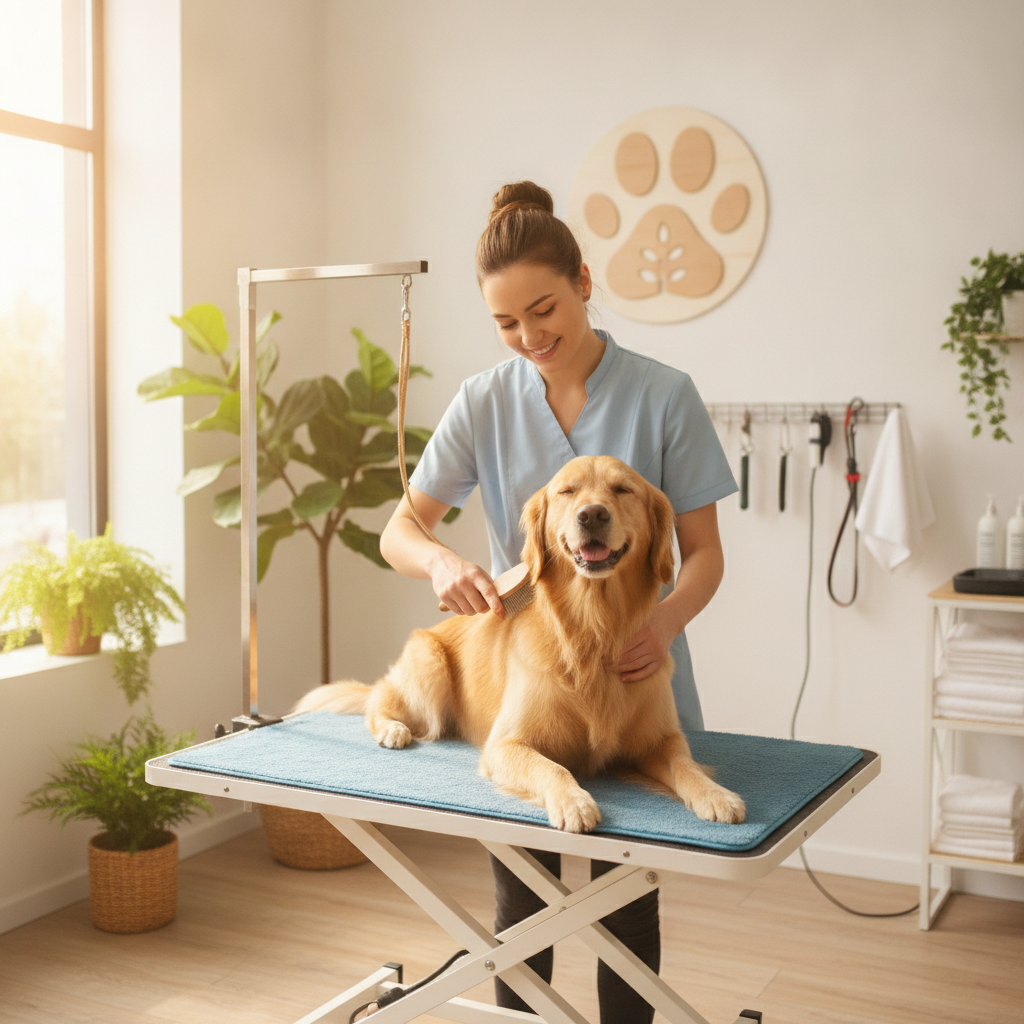
Working with dogs in a grooming salon often means encountering a spectrum of behaviours, from the cheerfully cooperative to the visibly anxious. For pet grooming professionals, understanding and mitigating canine anxiety isn't just about compassion; it's crucial for safety, efficiency, and building lasting client trust. A stress-free grooming experience benefits everyone involved, reducing the risk of injury for both pet and groomer, and ensuring a smoother, more positive session.
Recognizing the Signs of Anxiety in the Salon
The first step to calming an anxious dog is to accurately identify its distress signals. These can range from subtle to overt:
- Subtle Cues: Lip licking, yawning (when not tired), "whale eye" (the whites of the eyes are visible), tense body posture, tail tucked low or stiff, averted gaze, panting without being hot, shedding excessively.
- Moderate Signs: Trembling, whining, pacing, attempting to hide or escape, flattened ears, refusal to take treats.
- Overt Signals: Growling, snapping, lunging, biting. These are often a dog's last resort when their earlier, more subtle warnings have been ignored.
Early recognition allows you to intervene before anxiety escalates into fear or aggression, preventing potentially dangerous situations.
Creating a Calming Grooming Environment
The physical space and sensory input of your salon play a significant role in a dog's comfort level.
Sensory Considerations:
- Sound: Minimize sudden loud noises. Consider playing calming classical music or dog-specific relaxation tracks at a low volume. Avoid excessive chatter or shouting.
- Scent: Dogs have an incredibly sensitive sense of smell. Ensure your salon is clean but avoid overpowering chemical disinfectants. Some groomers find success with pet-safe calming diffusers (e.g., lavender or chamomile, ensuring they are used sparingly and are high-quality, non-toxic products).
- Light: Opt for soft, consistent lighting rather than harsh, fluorescent overheads. Avoid sudden changes in light.
Physical Space & Flow:
- Non-Slip Surfaces: Ensure all grooming tables and floors provide secure footing to prevent slips, which can heighten anxiety.
- Secure Restraints: Use comfortable, properly fitted grooming loops and belly bands. These are safety tools, not punishment. Ensure they are secure but never cause discomfort or restrict breathing.
- Minimizing Visual Stress: If possible, arrange your space to reduce direct eye contact between waiting dogs or keep anxious dogs in quieter, partially secluded areas.
Gentle Handling and Positive Reinforcement Techniques
Your approach and interactions are paramount.
- Slow & Deliberate Movements: Approach dogs calmly, avoid sudden reaches or quick movements. Speak in a soft, reassuring tone.
- Positive Associations: Use high-value treats and lavish praise for calm behaviour, even for small steps. Reward patience during brushing, nail trims, or drying.
- Desensitization & Counter-Conditioning: For tools like clippers or dryers, introduce them gradually. Let the dog see, smell, and hear them from a distance before bringing them closer. Pair the presence of the tool with positive reinforcement.
- Scheduled Breaks: For highly anxious dogs, short, frequent breaks can prevent overstimulation and allow them to decompress.
Effective Communication with Pet Owners
Engaging owners is key to long-term success:
- Pre-Grooming History: Ask about a dog's past grooming experiences, any known fears, or specific triggers.
- Pre-Visit Preparation: Advise owners on how to prepare their dog, such as exercising them before their appointment or practicing handling at home.
- Post-Grooming Feedback: Provide honest feedback on the dog's behaviour and suggest at-home exercises or professional training if significant anxiety issues persist.
By adopting a holistic approach that prioritizes a dog's emotional well-being, groomers can transform potentially stressful encounters into positive experiences. This not only ensures the safety and comfort of the pets in your care but also strengthens your reputation as a compassionate and skilled professional, fostering client loyalty in the competitive Hong Kong market.
#Dog Behavior #Grooming Safety #Pet Anxiety #Stress-Free Grooming #Canine Psychology