Calm Clippers, Confident Care: Minimizing Stress for Safer Grooming Sessions
Learn essential strategies for identifying and reducing pet stress during grooming, ensuring a safer experience for both pets and groomers.
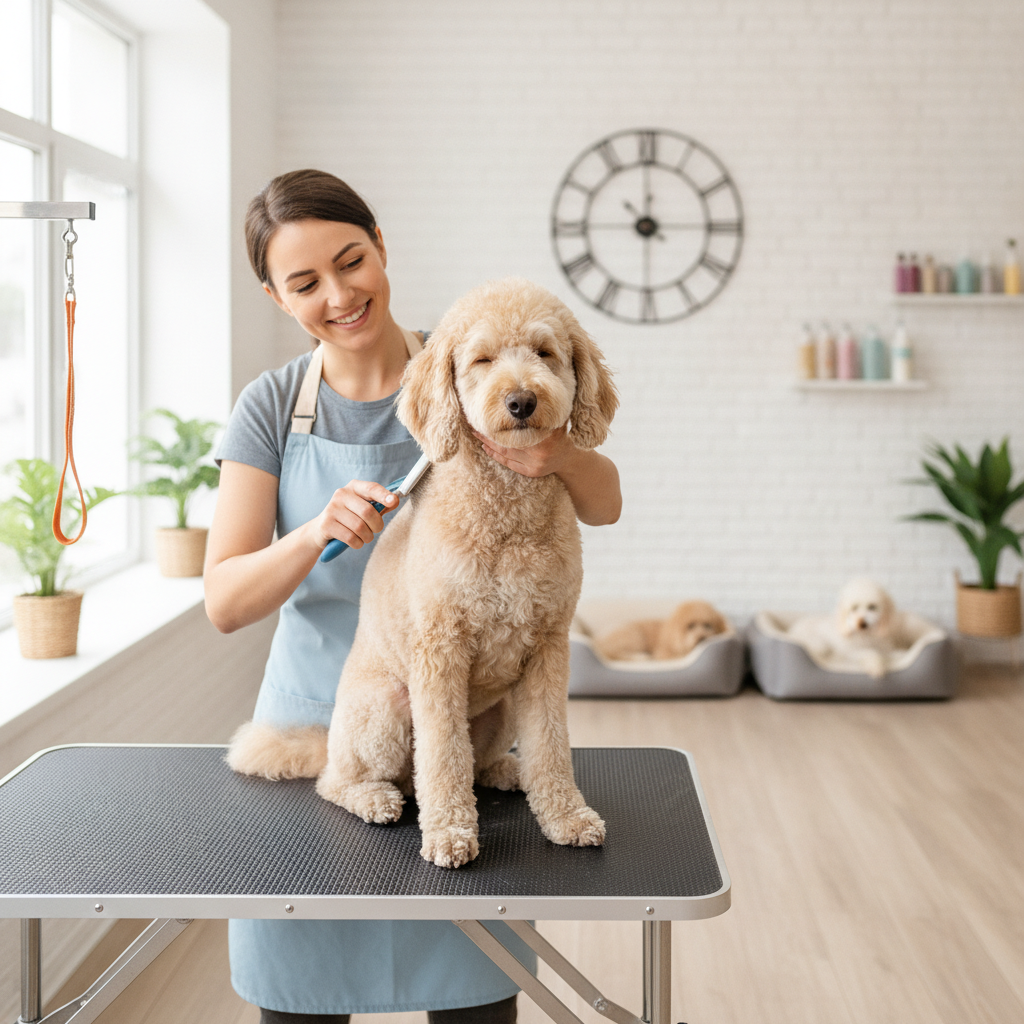
Calm Clippers, Confident Care: Minimizing Stress for Safer Grooming Sessions
In the bustling environment of a pet grooming salon, ensuring the safety of both our furry clients and our dedicated staff is paramount. While visible hazards like sharp tools and slippery floors are readily addressed, a less obvious but equally critical risk factor often goes overlooked: pet stress and anxiety. Anxious pets are unpredictable pets, increasing the likelihood of accidents, injuries, and negative experiences for everyone involved. By proactively understanding and mitigating stress, we not only enhance safety but also foster a more positive and trusting relationship with our clients.
Decoding Pet Distress: Recognizing the Signs
The first step in managing stress is recognizing it. Pets communicate their discomfort through a range of subtle and overt signals. Training your team to identify these cues is essential for intervention before an escalation occurs.
Subtle Cues
- Lip Licking and Yawning: Often out of context, these can be displacement behaviors.
- Whale Eye: When the whites of the eyes are visible, indicating tension.
- Tucked Tail and Lowered Body Posture: Signs of submission or fear.
- Trembling or Panting: Even when the temperature is cool, these can indicate anxiety.
- Avoidance: Turning head away, trying to hide.
Overt Reactions
- Growling, Snapping, or Biting: Clear warnings that the pet feels threatened.
- Attempts to Escape: Struggling violently, trying to jump off the table.
- Freezing: Becoming completely rigid, often a prelude to an explosive reaction.
- Excessive Shedding or Anal Gland Expression: Physiological responses to extreme stress.
Creating a Zen Zone: Environmental Strategies
A calming environment can significantly reduce a pet's stress levels before grooming even begins.
- Sensory Considerations: Play soothing, low-frequency music. Consider using species-specific pheromone diffusers (e.g., Adaptil for dogs, Feliway for cats). Keep lighting soft and avoid harsh overhead fluorescents.
- Spatial Management: Designate quiet grooming stations away from high-traffic areas. Use visual barriers to prevent pets from seeing other anxious animals. If possible, have separate waiting areas for different species or temperaments.
- Routine & Predictability: Establish consistent grooming procedures. For regular clients, try to maintain the same groomer to build familiarity. Announce your actions verbally and gently to the pet as you proceed.
The Gentle Touch: Handling Techniques for Anxious Pets
How we physically interact with pets is crucial. Positive, confident handling can de-escalate anxiety.
- Start Slow, Build Trust: Begin with gentle petting and praise, allowing the pet to sniff tools before use. Avoid rushing.
- Positive Reinforcement: Use high-value treats and calm verbal praise for any display of relaxed behavior.
- Strategic Breaks: Offer short, frequent breaks during long sessions to allow pets to de-stress. A quick walk or cuddle can make a big difference.
- Secure, Not Restrictive: Use appropriate restraints (grooming loops, belly bands) firmly but gently. The goal is to prevent sudden movements, not to cause discomfort.
- Comforting Contact: Maintain a firm, consistent, and gentle grip. Hesitant or fumbling movements can heighten a pet's anxiety.
Empowering Owners: Collaborative Care
Your clients are your partners in their pet's well-being. Engage them actively.
"A pet's comfort level at the salon often begins at home. Educating owners on pre-grooming preparation and recognizing stress signals is invaluable."
Discuss the pet's history of grooming experiences and any known fears. Suggest desensitization exercises at home, such as regular brushing, paw handling, and getting used to the sound of clippers. Advise owners to arrive on time to avoid rushed feelings and to keep goodbyes brief to prevent separation anxiety from escalating.
Knowing When to Pause or Refer
There will be instances where a pet's anxiety is too severe to manage safely in a typical salon setting. It is always better to prioritize the pet's well-being and the safety of your staff over completing a groom.
- Recognize Your Limits: If a pet is showing extreme aggression or fear that cannot be managed with your usual techniques, stop the session.
- Communicate with Owners: Explain the situation calmly and professionally. Suggest alternative solutions, such as consulting a veterinarian for mild sedation, or a certified professional dog trainer/behaviorist for long-term behavioral modification.
- Safety First: Never force a pet into a procedure they are vehemently resisting. This can lead to injury for the pet or groomer and build a lasting negative association with grooming.
Conclusion: A Foundation of Trust and Safety
By making stress reduction a cornerstone of your grooming practice, you're not just preventing accidents; you're building a reputation for compassionate, professional care. A calm pet is a safe pet, and a safe grooming environment ensures peace of mind for owners and a fulfilling career for groomers. Invest in understanding animal behavior, refine your handling techniques, and empower your clients – the dividends will be healthier pets, happier staff, and a thriving business.
#Pet Stress #Grooming Safety #Animal Behavior #Gentle Handling #Salon Management
Run your grooming shop on PettoBook — 14-day free Pro trial, no card