Building Trust Through Routine: The Power of Predictability in Grooming
Learn how establishing predictable routines and clear communication can transform anxious grooming experiences into positive, cooperative sessions for dogs and groomers.
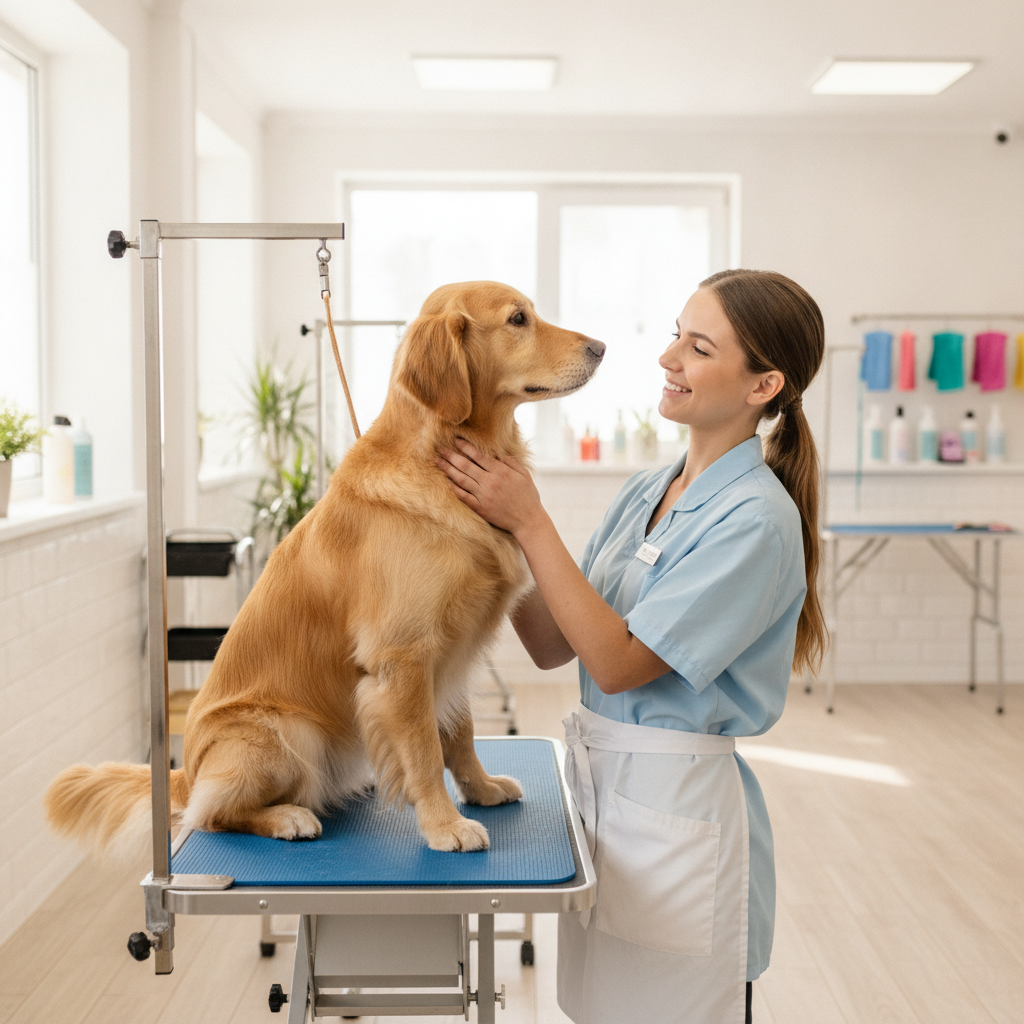
Building Trust Through Routine: The Power of Predictability in Grooming
In the bustling environment of a pet grooming salon, managing canine behaviour effectively is paramount not only for the safety of the pet and groomer but also for fostering a positive, stress-free experience. While many focus on counter-conditioning fearful dogs, a powerful, often overlooked tool is the establishment of clear, predictable routines. Dogs, much like humans, thrive on knowing what to expect. Predictability reduces anxiety, builds trust, and encourages cooperation, turning potentially stressful grooming sessions into calmer, more manageable ones.
Why Predictability Transforms the Grooming Experience
Dogs are creatures of habit. When they enter an unfamiliar environment or face new procedures, uncertainty can quickly escalate into fear or resistance. A predictable routine acts as a psychological anchor, signaling to the dog that the environment is safe and the procedures, though perhaps not always enjoyable, are consistent and understandable. This sense of control, even if perceived, significantly lowers stress hormones and increases a dog's willingness to participate.
- Reduces Anxiety: When dogs know the sequence of events, they anticipate rather than dread.
- Builds Trust: Consistency from the groomer fosters reliability and a sense of safety.
- Improves Cooperation: A calmer dog is more likely to stand still, allow handling, and cooperate with grooming tasks.
- Enhances Safety: Predictable behaviour reduces sudden movements, protecting both the dog and the groomer.
Implementing Predictable Routines in Your Salon
Integrating predictability into your grooming process doesn't require complex training; it's about consistency in your actions and environment.
1. Consistent Arrival & Settling Protocol
Establish a clear routine from the moment a dog arrives. This might include:
- A calm greeting, avoiding over-excitement.
- A designated, quiet settling area where the dog can observe or rest for a few minutes before grooming begins.
- A consistent leash transfer and initial check-in process.
This initial phase signals a transition from the owner's care to the groomer's, allowing the dog to acclimate.
2. Structured Grooming Sequence
Whenever possible, follow the same order of operations for each dog, or at least for specific breeds or coat types. For example:
- Initial brush-out and coat assessment.
- Nail trim and paw pad shave.
- Pre-bath anal gland expression (if applicable) and ear cleaning.
- Shampoo and conditioning.
- Towel dry, then professional dryer.
- Final styling and finishing touches.
Even subtle variations can be unsettling. Strive for a consistent flow.
3. Clear Communication & Cues
Use consistent verbal cues and body language for specific actions. For instance, a clear "Stay" before lifting onto the table, or a gentle touch followed by a specific instruction before brushing. Dogs learn to associate these cues with upcoming actions, making the process less startling.
- Verbal Cues: Short, consistent words for actions (e.g., "Up," "Paw," "Stand").
- Body Language: Approach dogs calmly, move deliberately, and avoid sudden gestures.
- Rewards: Consistently reward calm behaviour and cooperation with praise or small treats (if safe and appropriate).
4. Designated Calm Zones & Breaks
If a dog shows signs of stress, having a designated quiet spot for a brief "time-out" can be immensely beneficial. Short, predictable breaks can help a dog reset and regain composure, reinforcing that the grooming process isn't an endless ordeal.
The Long-Term Benefits
By integrating predictability, groomers not only create a more positive experience for the individual dog but also build a reputation for a calm, professional salon. This leads to:
- Reduced stress and aggression in dogs, making grooming safer and more enjoyable.
- Increased efficiency as dogs learn to cooperate, speeding up grooming times.
- Stronger client relationships as owners see their pets happier and less anxious after salon visits.
- Improved groomer morale, as their daily work becomes less physically and emotionally taxing.
Embracing predictability is a proactive step towards transforming your grooming salon into a haven of trust and cooperation, benefiting every dog, groomer, and owner who walks through your doors.
#Dog Grooming #Canine Behaviour #Pet Salon Management #Fear-Free Grooming #Routine