Beyond the Surface: A Groomer's Guide to Early Detection and Management of Common Canine Skin Conditions
Learn to identify common canine skin conditions during grooming sessions. This guide helps groomers detect issues early and advise clients effectively.
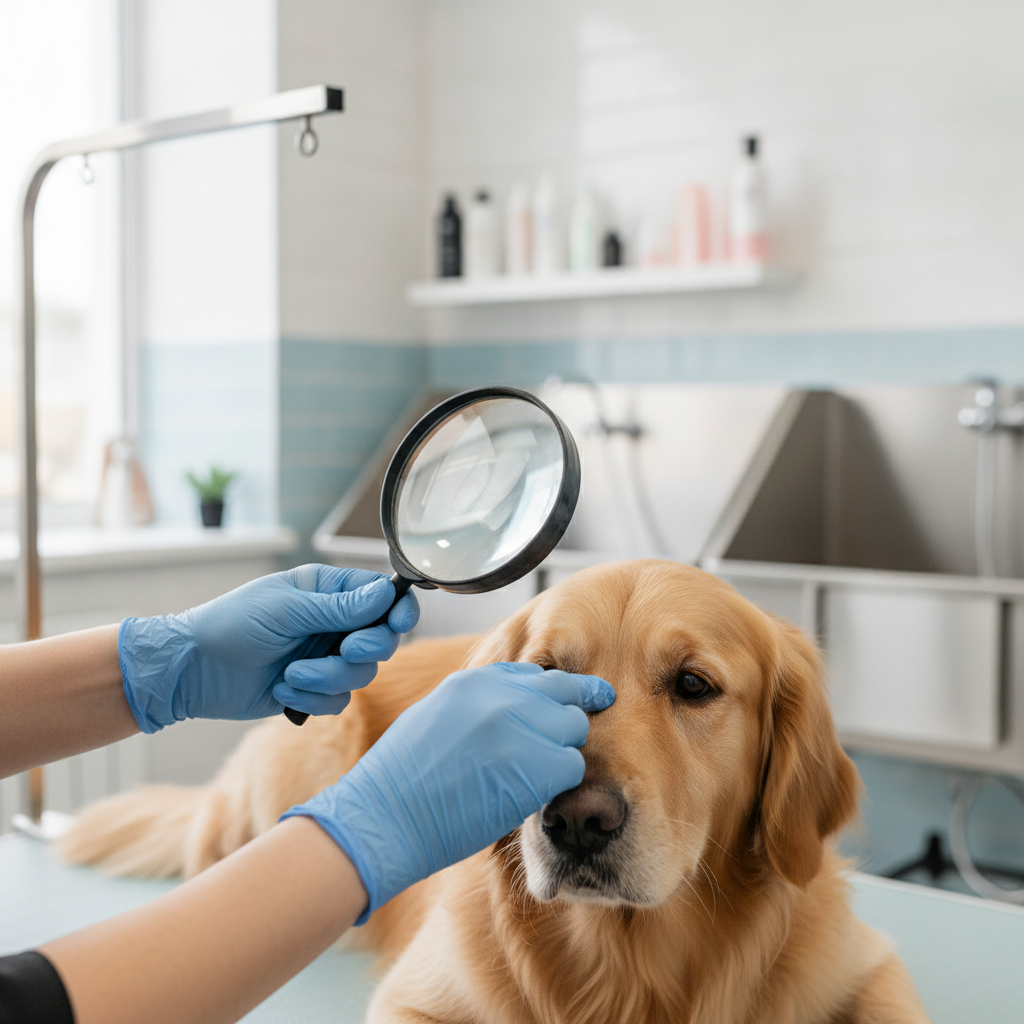
Beyond the Surface: A Groomer's Guide to Early Detection and Management of Common Canine Skin Conditions
As professional pet groomers, our role extends far beyond merely styling a pet's coat. We are often the frontline observers of a dog's overall health, especially their skin and coat condition. Regular grooming sessions offer a unique opportunity to detect subtle changes that owners might miss, making us invaluable partners in preventative pet care. Understanding common canine skin conditions, how to identify them, and how to appropriately manage grooming for affected pets is crucial for any Hong Kong salon.
Common Skin Conditions to Look For
During every grooming session, a thorough examination of the skin beneath the coat is essential. Here are some prevalent issues to watch out for:
- Allergies (Atopic Dermatitis, Food Allergies): Often manifest as redness, intense itching, excessive paw licking, ear infections, and patchy hair loss. The skin might appear thickened or discolored in chronic cases.
- Parasites (Fleas, Ticks, Mites): Fleas leave behind "flea dirt" (digested blood), while ticks are visible attached to the skin. Mites can cause severe itching, hair loss, and scaly skin, sometimes leading to secondary infections.
- Fungal Infections (Ringworm): Typically presents as circular patches of hair loss with red, scaly, or crusty borders. It can be easily transmitted and is a zoonotic concern.
- Bacterial Infections (Pyoderma): Often secondary to other issues, pyoderma causes pustules, scabs, redness, and a foul odor. It can range from superficial (folliculitis) to deep infections.
- Hot Spots (Acute Moist Dermatitis): These are rapidly developing, red, raw, painful, and often oozing lesions, commonly triggered by intense licking or scratching due to underlying irritation.
Detection Techniques During Grooming
Incorporating these techniques into your routine can significantly improve early detection:
- Visual Inspection: Before, during, and after bathing, systematically part the coat and visually inspect the skin from nose to tail. Pay close attention to ears, paws, armpits, and groin areas.
- Palpation: Gently run your hands over the pet's body, feeling for bumps, lumps, scabs, changes in skin thickness, or unusual texture. Note any areas of tenderness or discomfort.
- Olfactory Cues: An unusual or strong odor, especially a yeasty or putrid smell, can indicate bacterial or fungal overgrowth.
- Client Communication: Engage owners in conversation. Ask if they've noticed any changes in their pet's scratching habits, licking, or general demeanor.
Groomer's Role and Limitations
Your responsibility is to observe and report, not to diagnose or treat. Clearly communicate any findings to the owner, explaining what you've observed and why a veterinary check-up is advisable. Frame your observations in a neutral, professional manner, avoiding alarmist language.
"As groomers, we are skilled observers, not diagnosticians. Our value lies in our ability to spot subtle changes and guide owners towards professional veterinary care."
Grooming Adjustments for Affected Dogs
When a skin condition is present, adjust your grooming approach:
- Gentle Handling: Be extra careful around sensitive or painful areas. Use a soft touch and ensure the pet is comfortable.
- Product Selection: If a pet has a diagnosed condition, ensure any products used (shampoos, conditioners) are appropriate and, if medicated, have been prescribed or approved by a vet. Hypoallergenic options are often a safe choice for sensitive skin.
- Avoid Aggravation: Do not brush or de-shed aggressively over irritated skin. Clipping very short can sometimes expose sensitive skin to further irritation, so discuss with the owner.
- Sanitation: Thoroughly clean and disinfect all tools and surfaces after grooming a pet with a suspected or known skin condition to prevent cross-contamination.
By integrating vigilant skin assessment into your grooming practice, you not only elevate the standard of care but also strengthen client trust and contribute significantly to the health and well-being of Hong Kong's cherished pets.
#Pet Skin Health #Grooming Knowledge #Canine Dermatology #Early Detection #Professional Grooming
Run your grooming shop on PettoBook — 14-day free Pro trial, no card