Beyond the Itch: Proactive Management of Allergic Reactions in Pet Grooming
Learn how to identify, prevent, and respond to allergic reactions and skin irritations in pets during grooming sessions, ensuring a safer experience.
Identifying the Signs: Early Detection is Key
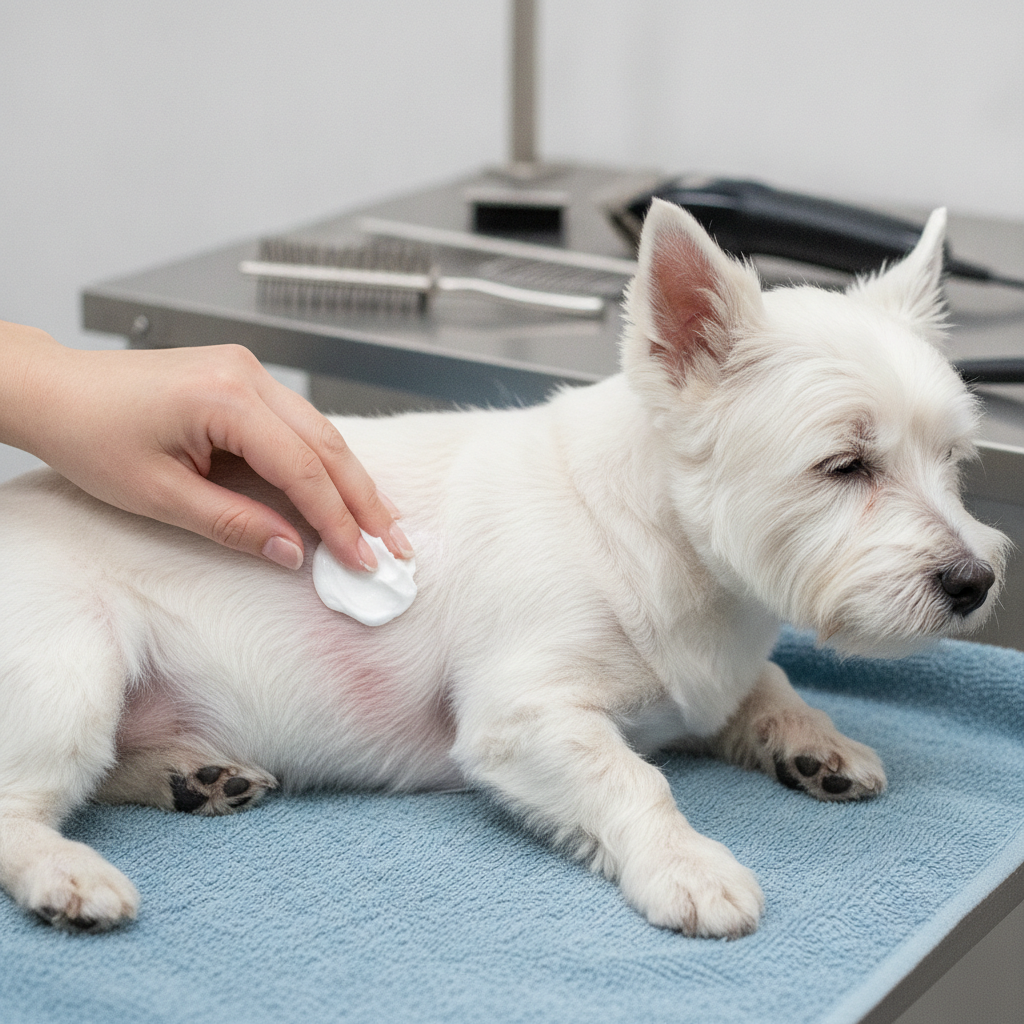
As a pet groomer, you are on the front lines, interacting with diverse skin and coat types daily. Therefore, mastering the identification of early signs of allergic reactions and skin irritations in pets is paramount. These signs can include:
- Redness or Inflammation: The most common indicator, which can appear anywhere on the body.
- Hives or Rash: Small red bumps or raised patches that might be itchy.
- Excessive Licking, Scratching, or Rubbing: The pet may be trying to alleviate discomfort.
- Hot Spots: Moist, red, painful areas of skin, often caused by excessive licking.
- Unusual Odor: Skin infections can sometimes be accompanied by an unfamiliar scent.
- Hair Loss: Thinning or loss of fur in the affected areas.
Always conduct a thorough skin and coat check before every grooming session. During the process, remain vigilant and observe for any unusual reactions, such as the pet displaying discomfort or agitation during bathing or drying.
Prevention: Minimising Risks in Your Salon
Product Selection
Opt for grooming products specifically designed for sensitive skin, prioritizing hypoallergenic, pH-balanced, and fragrance-free formulations. Consider offering a range of product options to cater to pets with specific sensitivities. Regularly review your product line to ensure it meets current safety standards.
Patch Testing
For pets with known sensitivities or when introducing a new product, a patch test is highly recommended. Apply a small amount of the product to an inconspicuous area of the pet's skin (e.g., groin or armpit) and observe for 24 hours for any adverse reactions before full application.
Thorough Rinsing
Any residue of shampoo or conditioner left on a pet's coat and skin can cause irritation. Ensure a meticulous rinse every time, continuing until the water runs clear. For pets with dense or double coats, this may require extra time and careful attention.
Tool Hygiene
All grooming tools, including combs, brushes, scissors, and clipper blades, must be thoroughly cleaned and sterilized after each use. This not only prevents the spread of bacteria and fungi but also avoids transferring residual chemicals from one pet to another.
Client Communication
Conduct a detailed consultation with pet owners before commencing grooming. Inquire about the pet's medical history, known allergies, skin sensitivities, and any past reactions to grooming products. Document this information diligently and confirm it before each session. Encourage owners to provide any updated health information.
Responding to a Reaction: A Step-by-Step Guide
Immediate Action
If a pet exhibits an allergic or irritating reaction during grooming, immediately cease all grooming activities. Gently move the pet to a quiet area and thoroughly rinse the affected skin area with lukewarm water, ensuring all product residue is removed.
First Aid
Depending on the severity of the reaction, you can apply some preliminary soothing measures. For instance, a cool compress or a towel soaked in a cool oatmeal solution can be applied to reddened areas to help reduce inflammation and discomfort. Avoid using any products not approved by a veterinarian.
Client Notification
Calmly and promptly inform the pet owner of the situation. Describe in detail the symptoms you observed and the actions taken. Strongly advise them to seek veterinary consultation immediately, even if the symptoms appear mild, as some reactions can be delayed or worsen.
Documentation
Maintain a detailed record of the incident. This should include the products used, symptoms observed, actions taken, the pet owner's response, and any veterinary advice (if known). This record is invaluable for future grooming prevention and potential insurance claims.
Building Client Trust Through Transparency
When it comes to pet health and safety, transparency is the bedrock of client trust. Explain your salon's preventative measures and response protocols for allergic reactions and skin irritations to your clients. This demonstrates your commitment to their pet's well-being and can provide owners with peace of mind. Should an incident occur, honest and timely communication, coupled with professional handling of the event, can turn a potentially negative experience into an opportunity to strengthen client relationships.
Conclusion
Managing allergic reactions and skin irritations in pet grooming is an integral part of a professional groomer's responsibility. By implementing rigorous preventative measures, effective communication, and prompt response strategies, you can significantly mitigate risks, ensuring all pets in your care have a safe and pleasant grooming experience. This not only safeguards the pets but also enhances your salon's professional reputation and client loyalty.
#Pet Safety #Allergic Reactions #Skin Irritation #Grooming Protocols #Pet Health