Beyond the Brush: Identifying and Addressing Common Skin & Coat Issues in the Grooming Salon
Learn to identify common skin and coat problems in pets during grooming and effectively educate clients for healthier outcomes and enhanced salon trust.
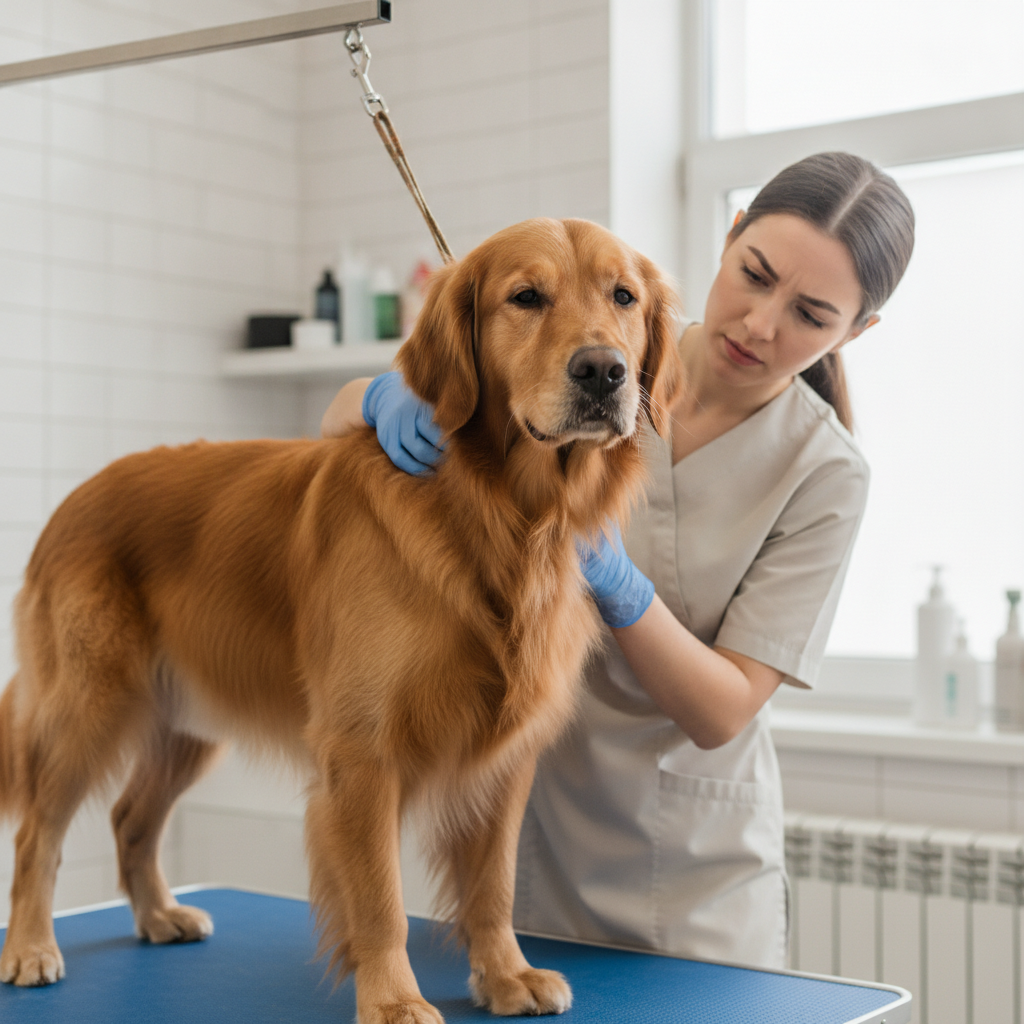
As a professional pet groomer, your role extends far beyond just aesthetics. You are often the first line of defense in spotting potential health issues in pets, particularly those affecting the skin and coat. Regular grooming provides a unique opportunity for close physical examination, allowing you to identify subtle changes that owners might overlook. By understanding common skin and coat conditions and knowing how to communicate your observations effectively, you can significantly enhance client trust, contribute to pet well-being, and elevate your salon's reputation as a holistic care provider.
Identifying Common Skin and Coat Concerns
During every grooming session, a thorough visual and tactile inspection of a pet's skin and coat is crucial. Here are some common issues to watch for:
- Dry, Flaky Skin and Dandruff: Look for white flakes in the fur, a dull or brittle coat, and a rough texture when petting. This can be caused by dry air, improper diet, or underlying skin conditions.
- Excessive Itching and Redness: Observe signs like constant scratching, licking, or chewing, especially around the paws, ears, or base of the tail. Redness, inflammation, or the presence of "hot spots" (moist dermatitis) are strong indicators of irritation, often due to allergies, parasites (fleas, mites), or bacterial infections.
- Oily Coat and Seborrhea: A greasy or sticky coat, sometimes accompanied by a distinctive "doggy odor," can point to seborrhea. This condition involves abnormal oil production and can lead to secondary yeast or bacterial infections.
- Mats and Tangles: While common, severe matting isn't just a cosmetic issue. It can pull on the skin, cause pain, restrict air circulation, and create a breeding ground for bacteria and parasites, leading to severe skin irritation underneath.
- Patchy Hair Loss or Thinning: Bald spots, thinning fur, or areas with broken hairs can indicate various problems, including parasitic infestations (ringworm, mange), fungal infections, stress, hormonal imbalances, or nutritional deficiencies.
The Groomer's Essential Role
Your keen eye and gentle touch are invaluable. When you encounter a suspicious area:
- Observe and Document: Note the location, size, and characteristics of any skin abnormalities. Take mental or physical notes for your discussion with the owner.
- Handle with Care: Be extra gentle around affected areas to avoid causing further irritation or pain. Use appropriate grooming tools and techniques that won't exacerbate the condition.
- Select Products Thoughtfully: While not diagnosing, you can choose mild, hypoallergenic shampoos and conditioners. If the client has a vet-prescribed medicated shampoo, use it according to instructions.
Empowering Clients Through Education
Effective communication is key. Remember, your role is to observe and inform, not to diagnose or prescribe treatment. Always recommend a veterinary consultation for accurate diagnosis and medical advice.
"As groomers, we are frontline observers. Our professional responsibility is to highlight concerns, not to provide a medical diagnosis."
- Communicate Clearly and Empathetically: Explain your observations calmly and objectively. Show the client the affected area if comfortable and appropriate.
- Suggest Next Steps: Advise them to consult their veterinarian for a proper diagnosis and treatment plan.
- Offer Supportive Home Care Tips: If appropriate, you can suggest gentle brushing routines or discuss the importance of regular grooming appointments to manage coat health. Avoid giving dietary advice or recommending specific supplements directly; instead, suggest they discuss these with their vet.
- Encourage Follow-up: Ask clients to keep you updated after their vet visit, which helps you tailor future grooming sessions.
By integrating this proactive approach into your grooming routine, you not only provide exceptional service but also foster a deeper level of trust with your clients, positioning your salon as a partner in their pet's overall health and well-being.
#Pet Skin Health #Coat Care #Grooming Best Practices #Client Education #Dermatological Grooming