Beyond the Brush: Identifying and Addressing Common Skin and Coat Concerns in the Grooming Salon
Learn to identify common pet skin & coat issues like dry skin, hot spots, and parasites during grooming. Enhance your professional value.
Beyond the Brush: Identifying and Addressing Common Skin and Coat Concerns in the Grooming Salon
As pet grooming professionals, our role extends far beyond merely styling a pet's fur. We are often the first line of defence in detecting subtle changes in a pet's skin and coat health. Regular grooming appointments provide a unique opportunity to observe and address potential issues before they escalate, offering immense value to both pet owners and their beloved companions. Understanding common dermatological concerns and how to respond appropriately is a hallmark of an exceptional groomer.
The Groomer's Unique Vantage Point
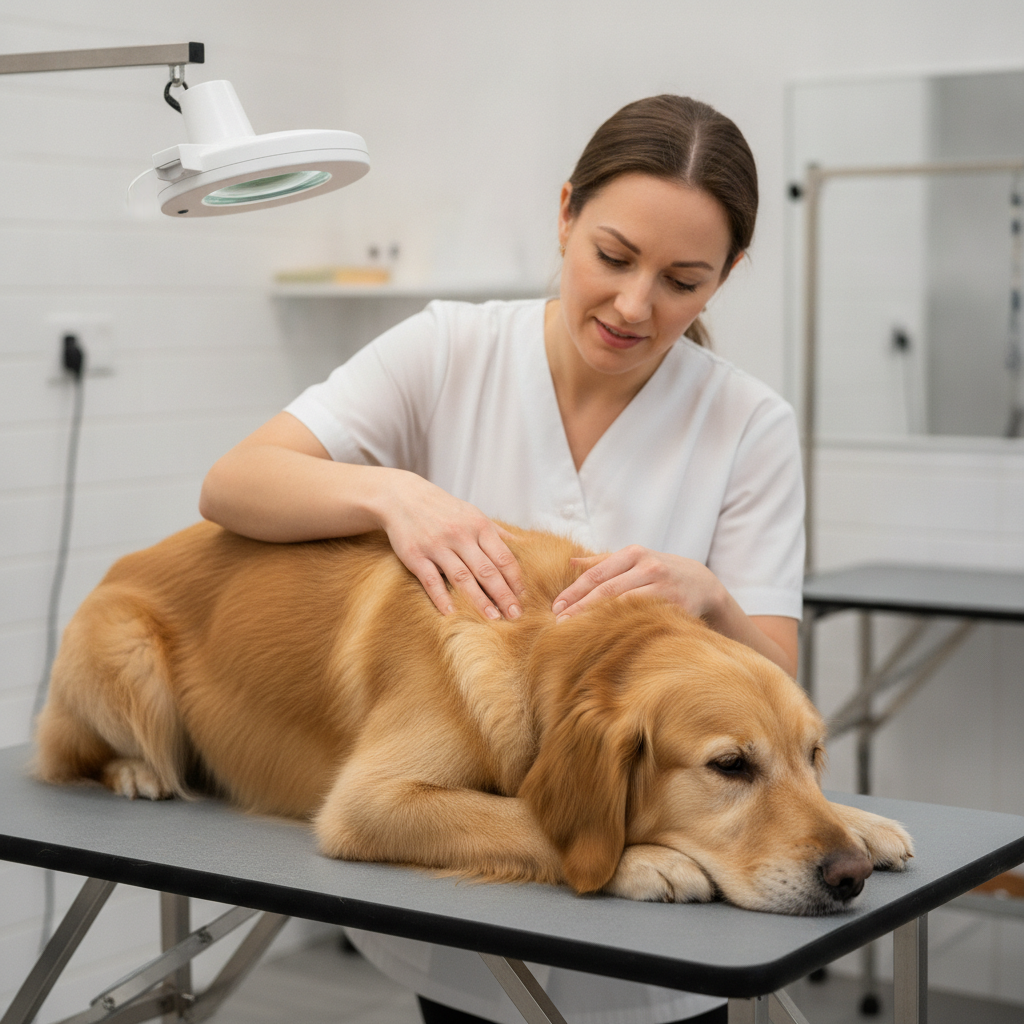
During the pre-grooming assessment and throughout the grooming process, we spend significant time in close physical contact with pets. This intimate interaction allows us to feel for lumps, bumps, and changes in coat texture, and to visually inspect the skin for redness, flakiness, or lesions that might otherwise go unnoticed by owners until they become more severe. This early detection is crucial for timely veterinary intervention.
Common Skin and Coat Issues and Your Role
- Dry, Flaky Skin (Dandruff): Often caused by dry air, nutritional deficiencies, or underlying skin conditions.
- Identification: White flakes in the coat, sometimes accompanied by itchiness.
- Action: Recommend moisturizing shampoos/conditioners. Educate owners on proper diet and the benefits of humidifiers. Advise vet visit if persistent or severe.
- Hot Spots (Acute Moist Dermatitis): Rapidly developing, red, inflamed, oozing lesions.
- Identification: Localized redness, hair loss, often sticky discharge, and a strong urge for the pet to lick/chew the area.
- Action: Gently clip the hair around the area to allow air circulation. Avoid harsh scrubbing. Inform owner immediately and strongly recommend a vet visit, as these are painful and can worsen quickly.
- Matted Fur and Skin Irritation: Severe matting can pull on the skin, restrict blood flow, and trap moisture, leading to bacterial or yeast infections.
- Identification: Dense, tangled clumps of fur, often close to the skin. Look for underlying redness, sores, or foul odour.
- Action: Carefully remove mats, prioritising the pet's comfort and skin integrity. Be extremely cautious as skin can be pulled into the mat. For severe matting, a full shave-down might be necessary, requiring owner consent. Document any skin irritation found beneath mats.
- Allergies (Environmental/Food): Manifest as generalized itchiness, redness, ear infections, or paw licking.
- Identification: Persistent scratching, biting, chewing, red skin, recurring ear issues.
- Action: Use hypoallergenic, soothing shampoos. Discuss symptoms with the owner and suggest consulting a vet for allergy testing or dietary changes.
- Parasites (Fleas, Ticks, Mites):
- Identification: Visible parasites, "flea dirt" (black specks), excessive scratching, skin irritation. Mites can cause hair loss, scabs, and severe itching.
- Action: Immediately notify the owner. Isolate the pet if possible to prevent spread. Thoroughly clean and disinfect your salon after a suspected case. Advise immediate vet consultation for treatment. Do NOT attempt to treat parasites in your salon.
Best Practices for Groomers
- Thorough Pre-Grooming Check: Always conduct a head-to-tail inspection, feeling for abnormalities and observing skin condition.
- Gentle Handling: Exercise extra care around sensitive or irritated areas.
- Appropriate Product Selection: Use professional-grade, pH-balanced shampoos and conditioners, opting for gentle, hypoallergenic formulas when in doubt.
- Client Education and Communication: Clearly and calmly explain any findings to the owner. Provide specific, actionable advice (e.g., "Please see your vet about this hot spot," or "Consider a hypoallergenic diet"). Emphasize you are not diagnosing, but rather observing and recommending professional veterinary advice.
- Detailed Documentation: Keep thorough records of skin and coat conditions observed, actions taken, and advice given to owners. This protects your business and aids in tracking a pet's health over time.
By integrating vigilant observation and informed action into your grooming routine, you enhance your professional reputation and, more importantly, contribute significantly to the health and well-being of the pets entrusted to your care. Your expertise goes a long way in fostering healthier pets and more grateful clients.
#Skin Care #Coat Health #Professional Grooming #Issue Identification #Pet Wellness