Beyond the Bark: Cultivating Trust with Anxious Dogs in Your Grooming Salon
Practical strategies for Hong Kong groomers to build trust and reduce anxiety in dogs, ensuring a smoother, safer grooming experience for all.
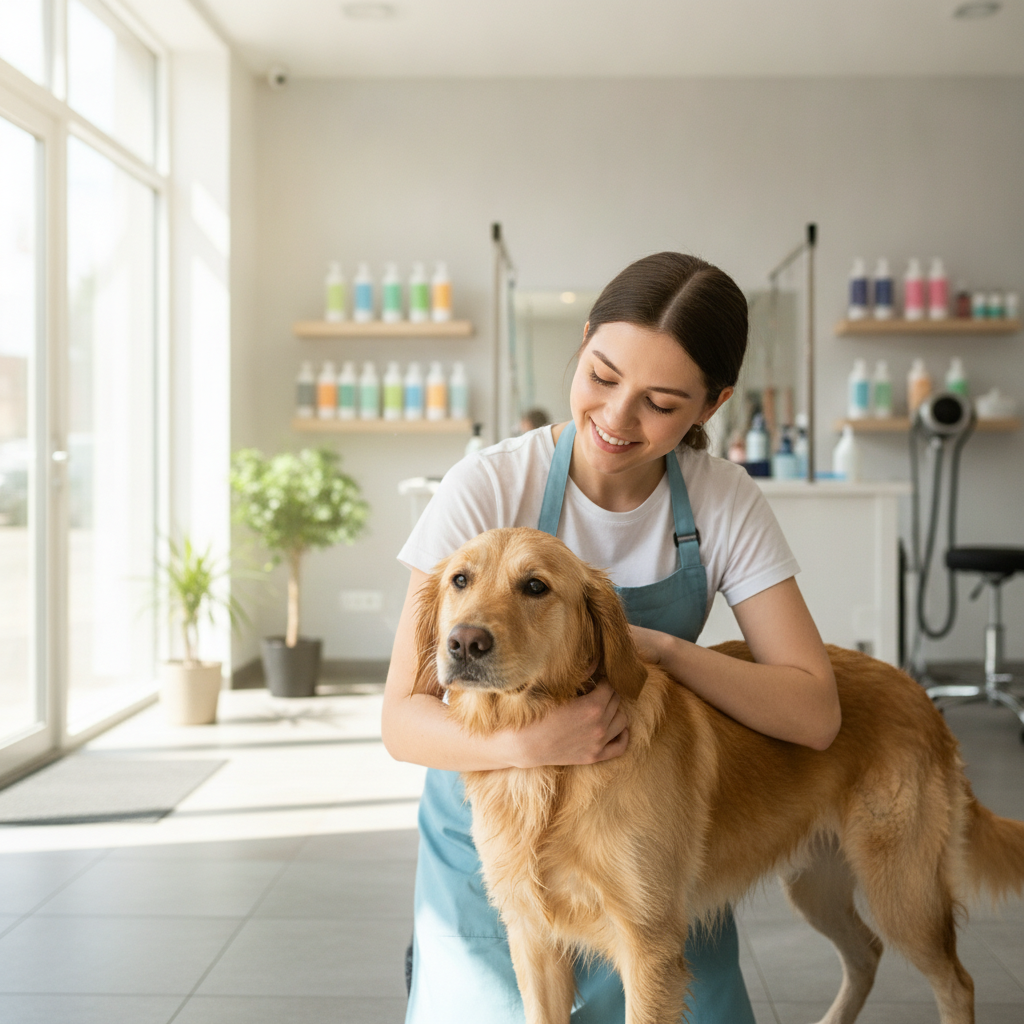
Every pet grooming professional in Hong Kong has encountered them: the anxious dog whose fear can turn a routine trim into a stressful ordeal for both pet and groomer. While some dogs take to grooming with ease, others find the unfamiliar environment, sounds, and sensations overwhelming. Cultivating trust, rather than simply enforcing compliance, is key to transforming these experiences into positive ones, ensuring safer sessions and fostering long-term client relationships.
Understanding Canine Anxiety in the Grooming Salon
Anxiety in dogs can manifest in various ways: trembling, excessive panting, drooling, lip licking, yawning, tail tucking, avoidance, or even aggressive behaviours like snapping or biting. These are often fear-based responses. Common triggers in a salon include the sound of clippers, dryers, unfamiliar smells, being handled by strangers, slippery surfaces, and prolonged restraint.
Pre-Grooming Strategies: Setting the Stage for Success
- Thorough Client Consultation: Before the first grooming session, dedicate time to discuss the dog's history. Ask about previous grooming experiences, specific fears, any health conditions, and how the dog reacts to being handled. Inquire about their routine and any calming techniques the owner uses at home. This information is invaluable for tailoring your approach.
- Encourage "Happy Visits": Suggest that owners bring their anxious dogs for short, positive visits to the salon without any grooming taking place. These visits should involve praise, treats, and gentle petting, allowing the dog to associate the salon with pleasant experiences. Even five minutes of positive interaction can make a huge difference in building familiarity and reducing apprehension.
- Create a Calming Environment: Minimise loud noises where possible. Use calming diffusers (e.g., Adaptil) if appropriate. Ensure non-slip mats are used on all surfaces, especially grooming tables and bathing tubs, to provide security and prevent fear of falling. Soft lighting can also contribute to a relaxed atmosphere.
During Grooming: Patience, Positive Reinforcement, and Gentle Handling
Once the dog is on the table, your approach is paramount. Remember, every interaction is an opportunity to build or erode trust.
Techniques for a Calmer Session:
- Patience and Observation: Work slowly and deliberately. Constantly observe the dog's body language for early signs of stress. If a dog shows signs of discomfort, pause, reassure them, and perhaps switch to a less sensitive area or take a short break. Pushing through fear can exacerbate it.
- Positive Reinforcement: Utilise high-value treats (with owner's permission) and calm, soothing praise for good behaviour. Reward stillness, tolerance of touch, and relaxation. This helps the dog associate grooming with positive outcomes.
- Gentle and Confident Handling: Use firm but gentle holds. Avoid unnecessary restraint that might increase panic. Support the dog properly when lifting or moving them. Speak in a low, soothing voice.
- Desensitisation and Counter-Conditioning: For sound-sensitive dogs, gradually introduce clipper or dryer noises at a distance, paired with treats, slowly decreasing the distance as the dog shows comfort. For touch-sensitive areas, use very light touches, rewarding compliance, and building up duration.
- Specialised Tools and Aids: Consider using calming wraps, muzzles (if necessary for safety, introduced positively), or even a second pair of hands for especially challenging cases. Always prioritise safety for both the dog and the groomer.
Communication with Owners: A Partnership Approach
Educate owners about the importance of at-home desensitisation to handling and brushing. Provide honest feedback about their dog's behaviour during grooming and discuss strategies for improvement. Managing owner expectations, especially for highly anxious dogs that may require multiple, shorter sessions, is crucial for a successful partnership.
By adopting a trust-centric approach, groomers can transform potentially traumatic experiences into manageable, even pleasant, ones. This not only improves the welfare of the dogs but also enhances your salon's reputation as a compassionate and skilled professional service.
#Dog Behavior #Grooming Techniques #Pet Anxiety #Client Communication #Salon Management